
Film Guide 2026
Tristinho Para Sempre
10 July (11:00, 49')
For the first time, Triste Para Sempre branches out into a new and very important category: the childhood tears of little tristinhos. Shorter and packed with animation, this session takes in a range of different themes, ensuring an encounter with a joyful, stirring kind of melancholy.
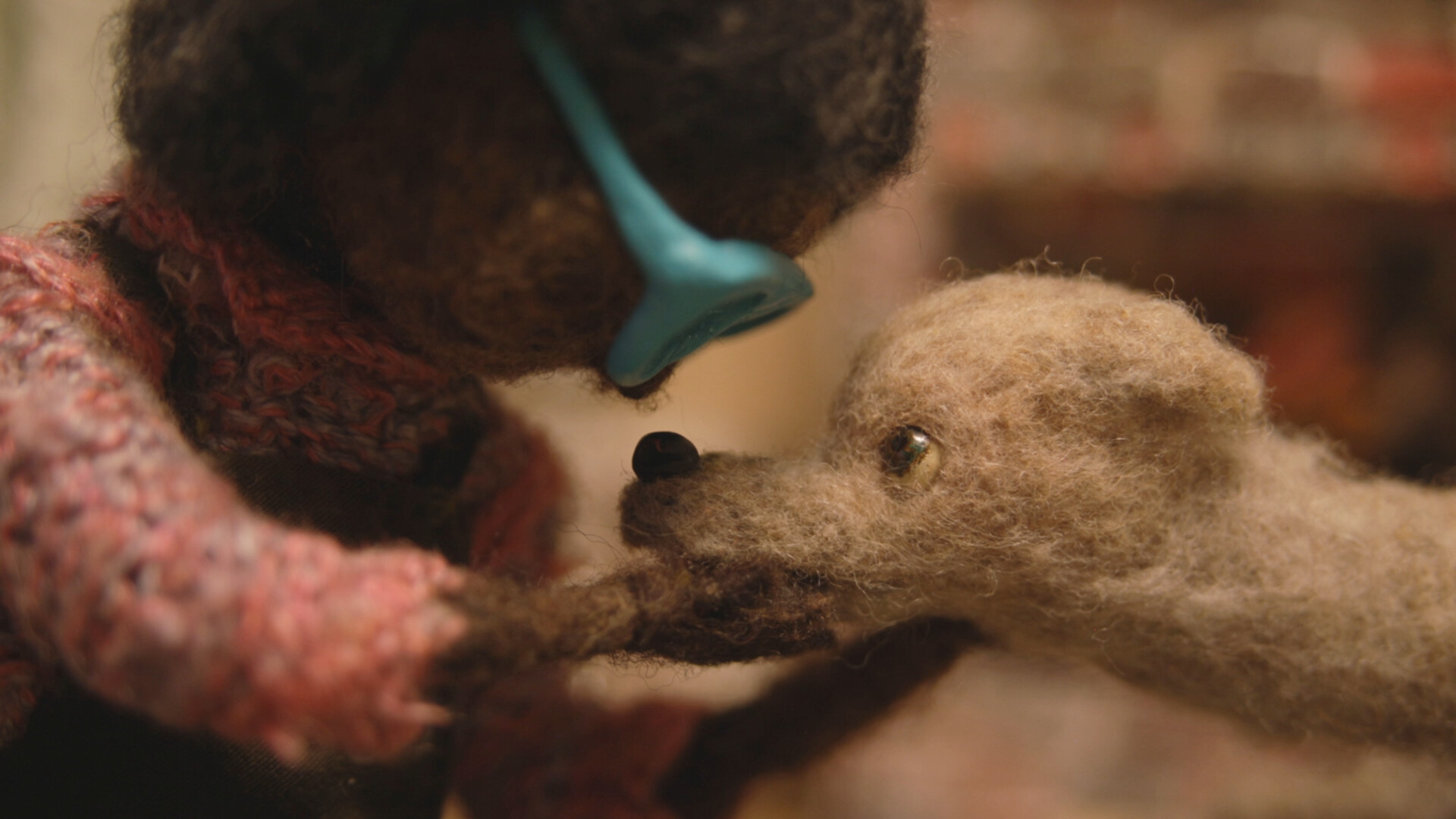
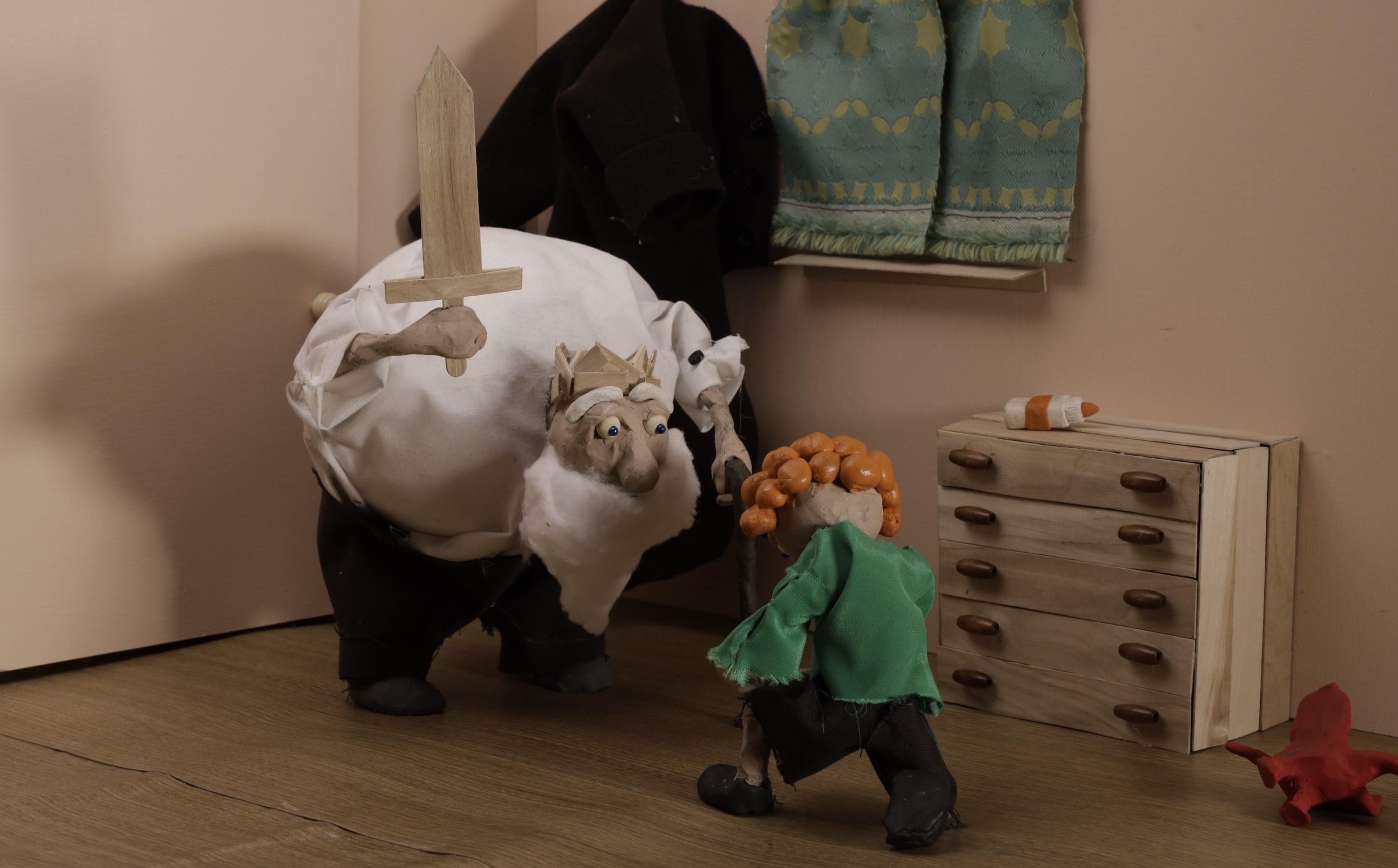
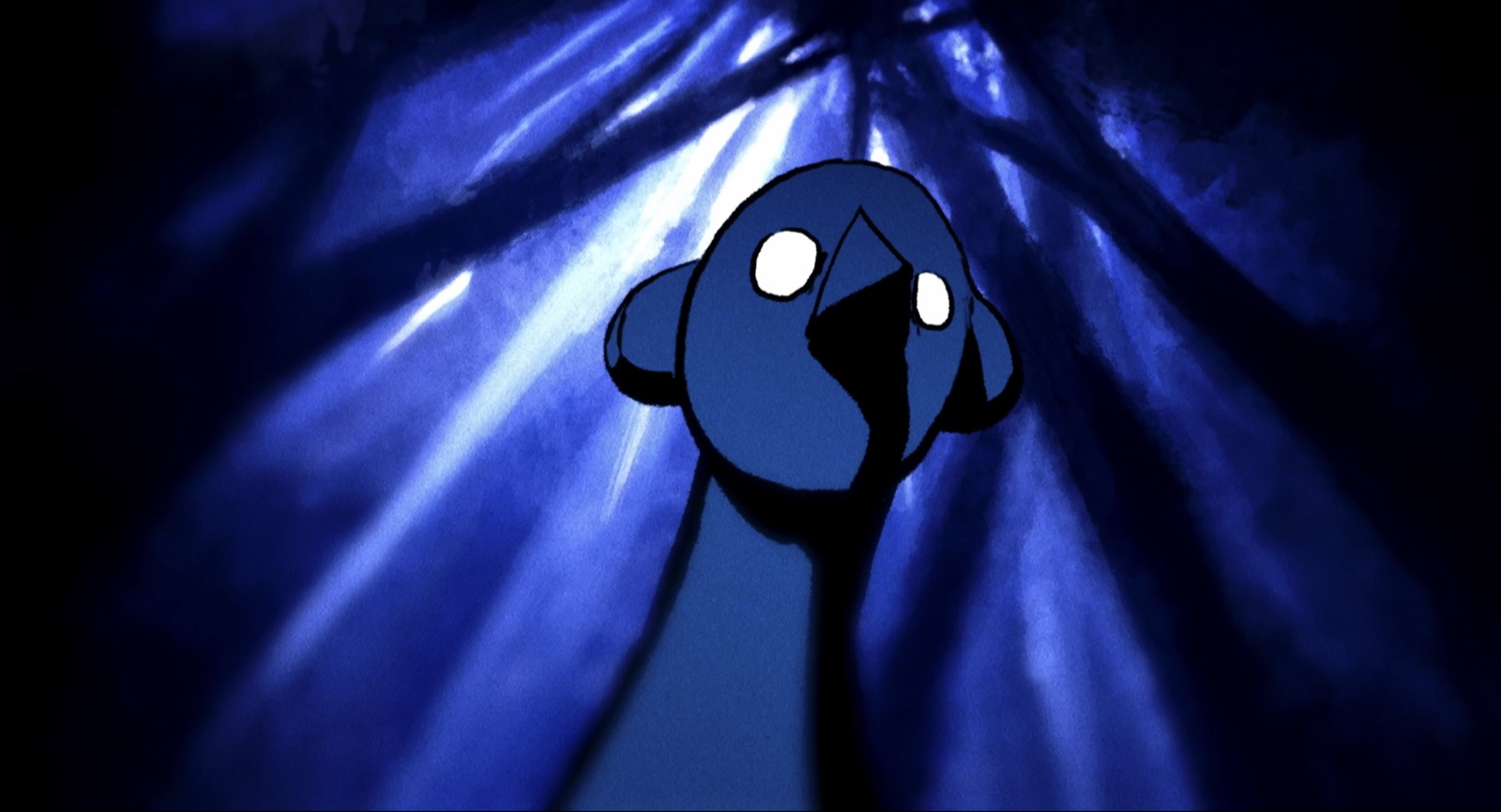
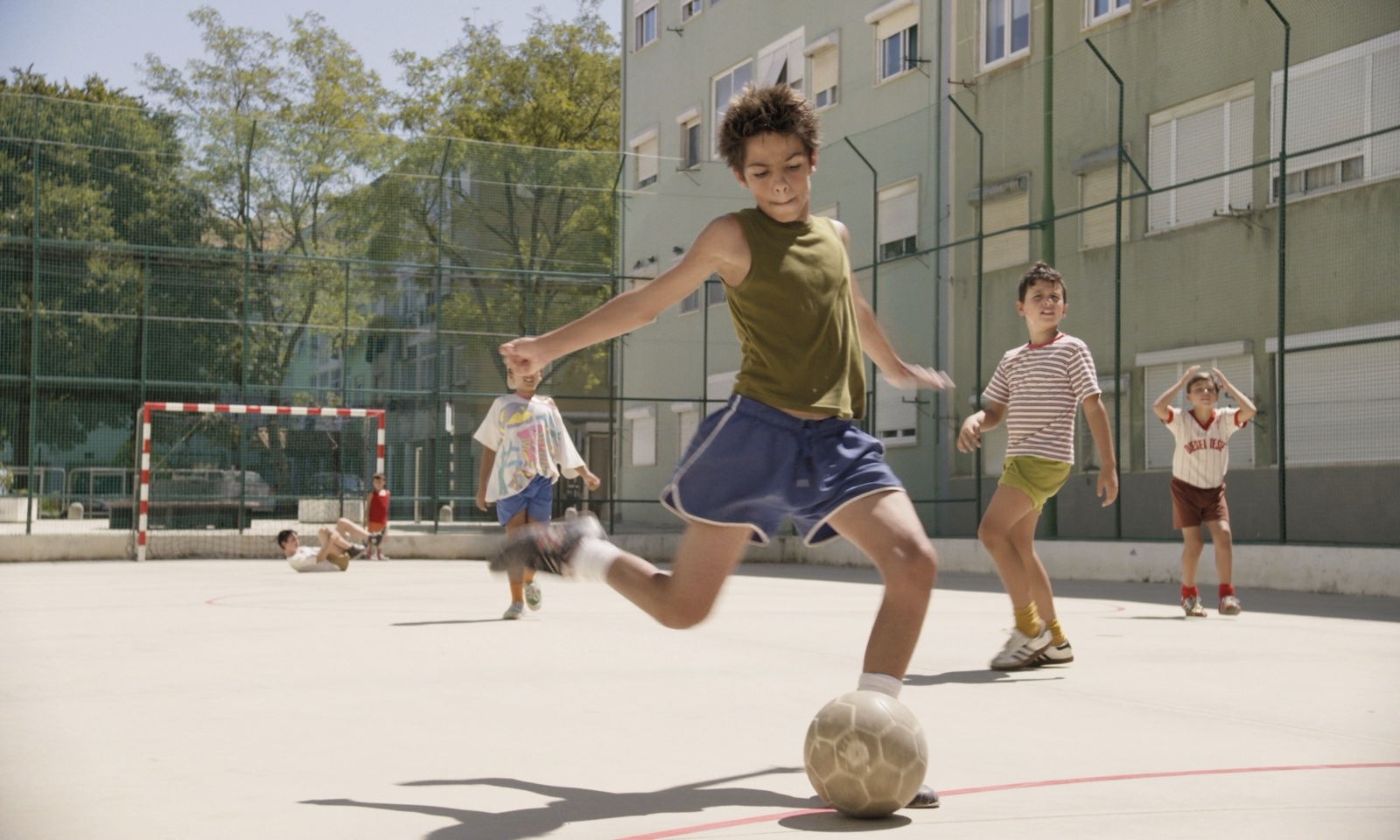
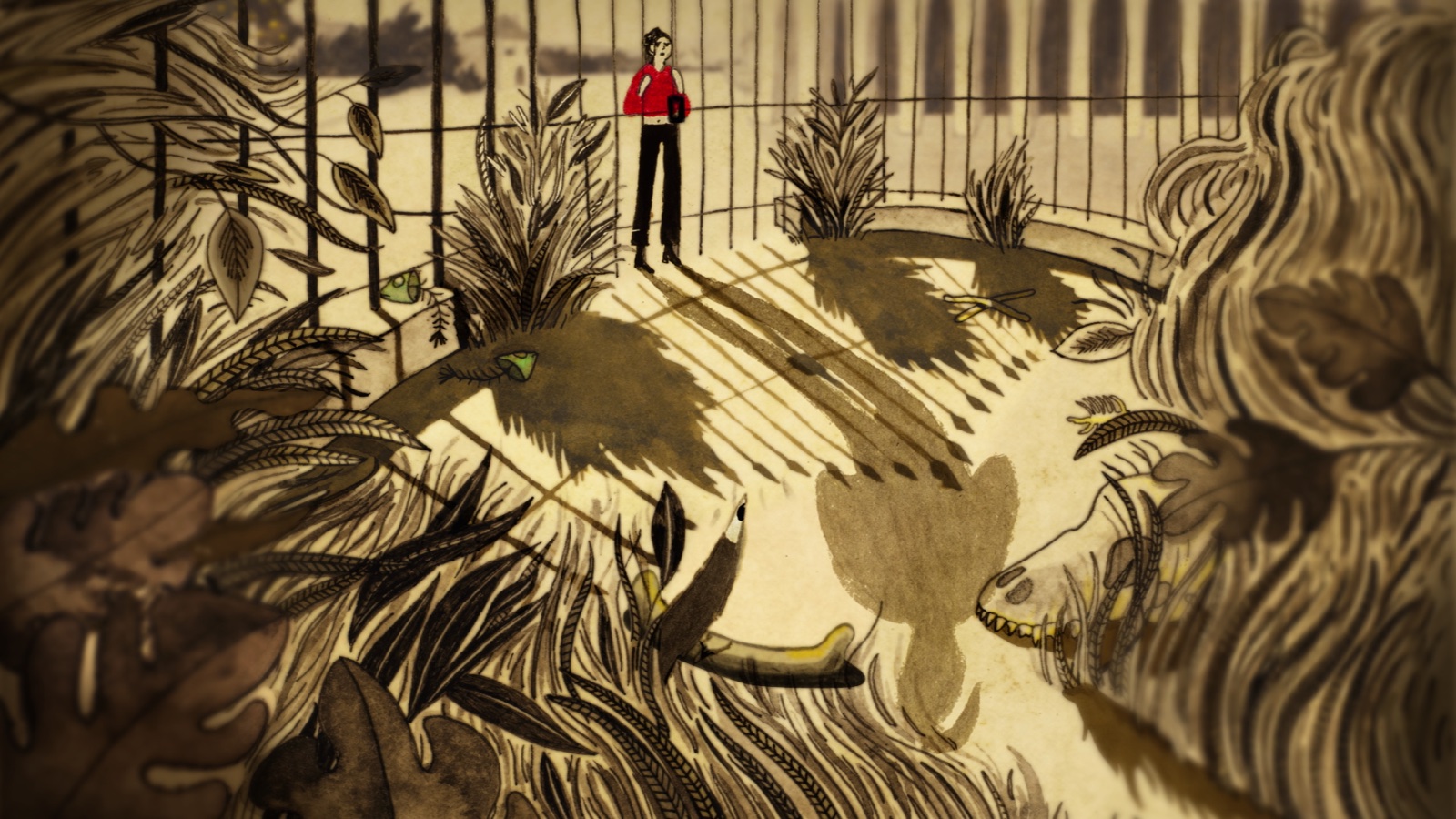
“(A)stray” is a striking stop-motion short. We follow a stray dog looking for shelter and food who, instead, keeps running into hardship and obstacles. “The Wooden Crown”, a wordless mix of 2D and stop motion, summons the nostalgia of playing with one's grandparents and the impossible wish for their immortality. Still on the theme of grandparents, we watch “Sequencial”, also 2D and stop motion, navigating fear and reconciliation within family love. Reassured that everything passes, even the less good things. And to close, we join “Rui Carlos” and his friends in a lively football match, where young and old face off with plenty of grit.
The mishaps don't end here — there are disappointments to suit every age, and this is the only session where we let a few (slightly) happy endings slip through.
Words by Carolina Serranito
Summertime Sadness
10 July (19:00, 83')
Buy TicketsThey say we grow sadder on rainy days — which doesn't mean the opposite is necessarily true. At Triste Para Sempre, we think it matters that sadness be present in every season of the year: and so we dedicate this warm, sunlit, summery session to the tears shed over the Summer.
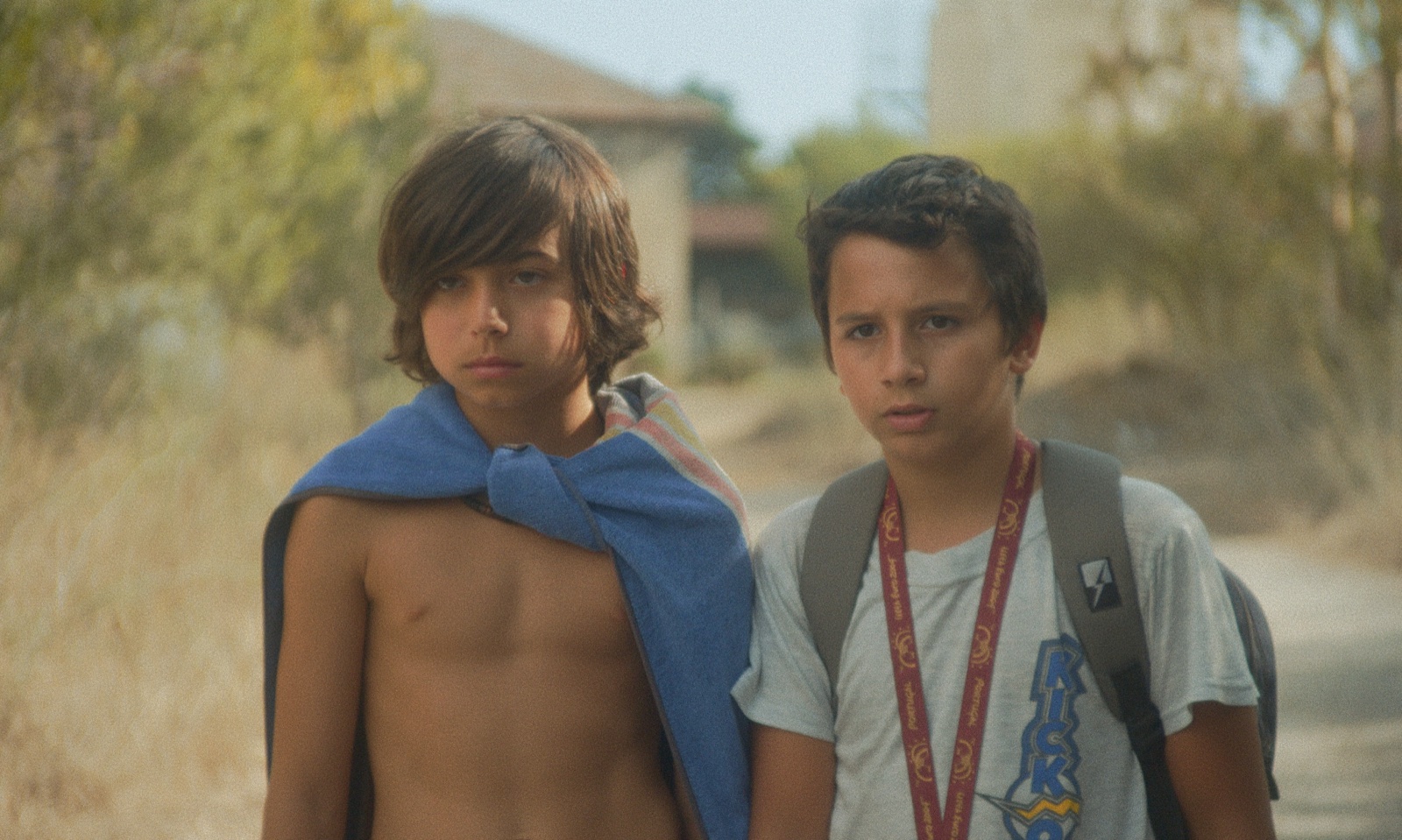
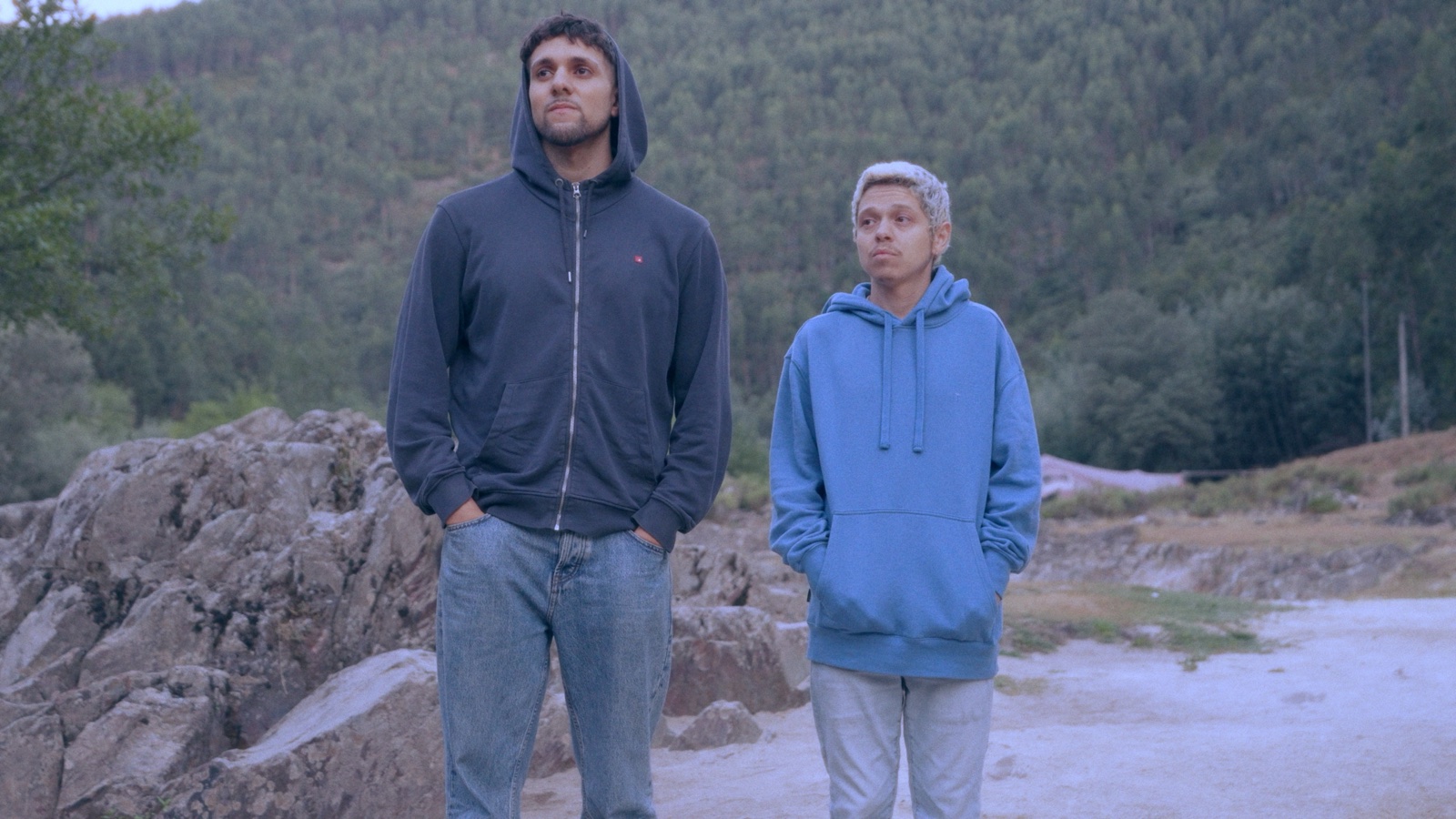
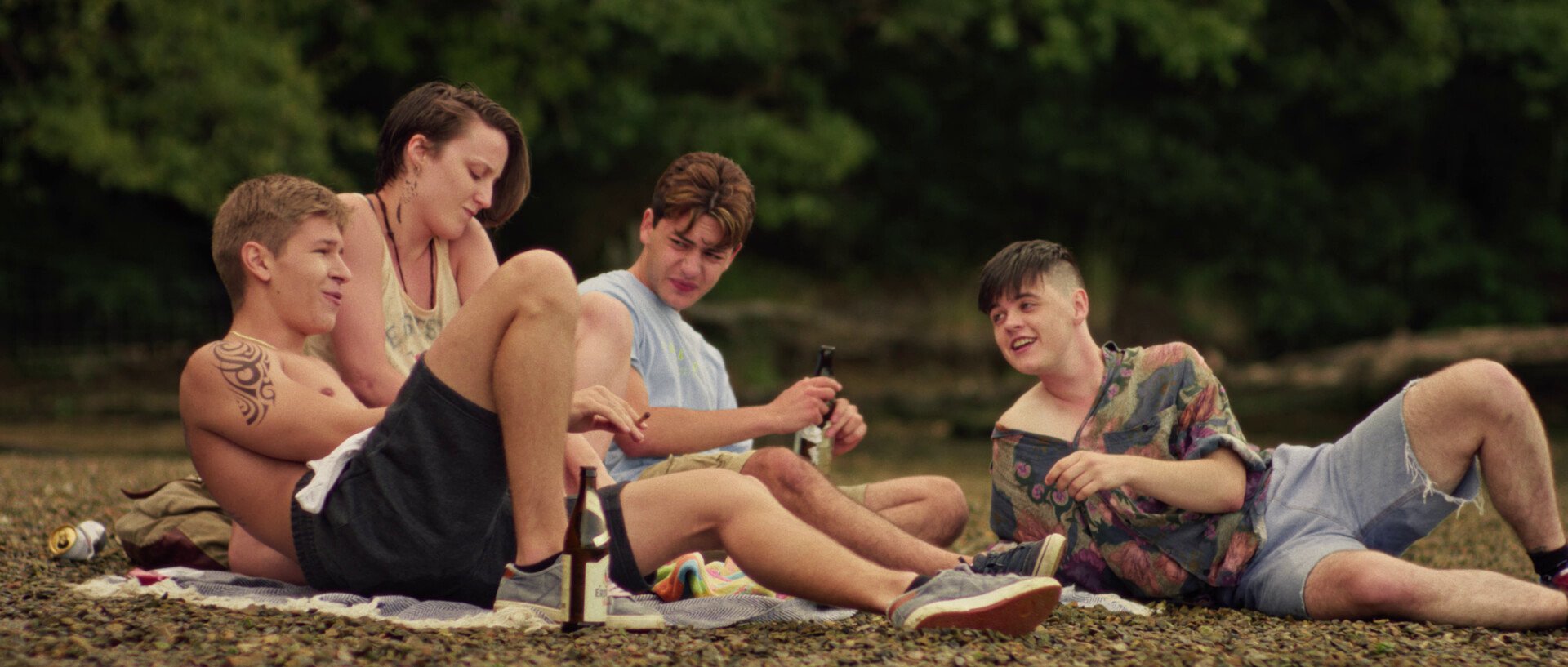
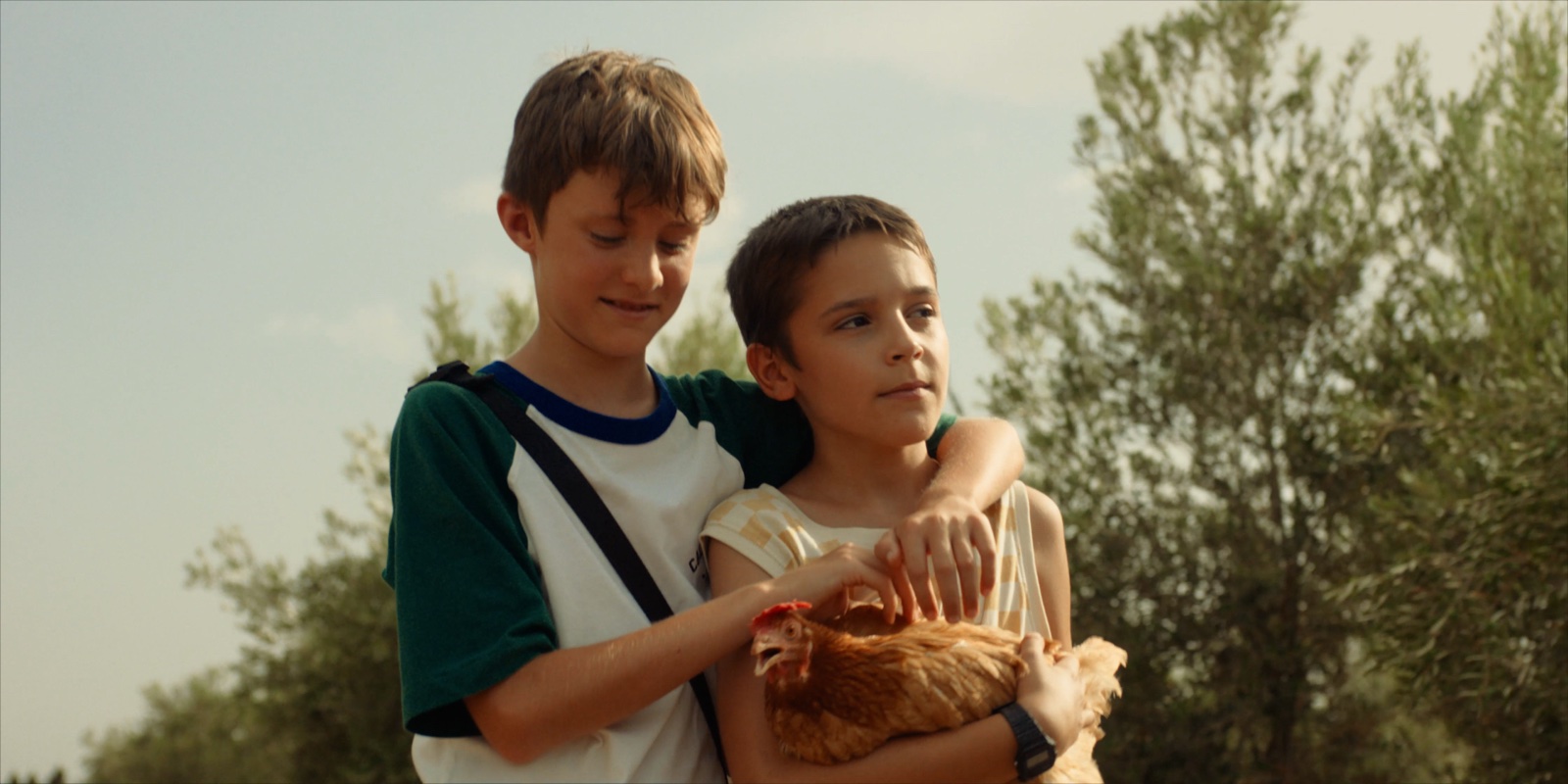
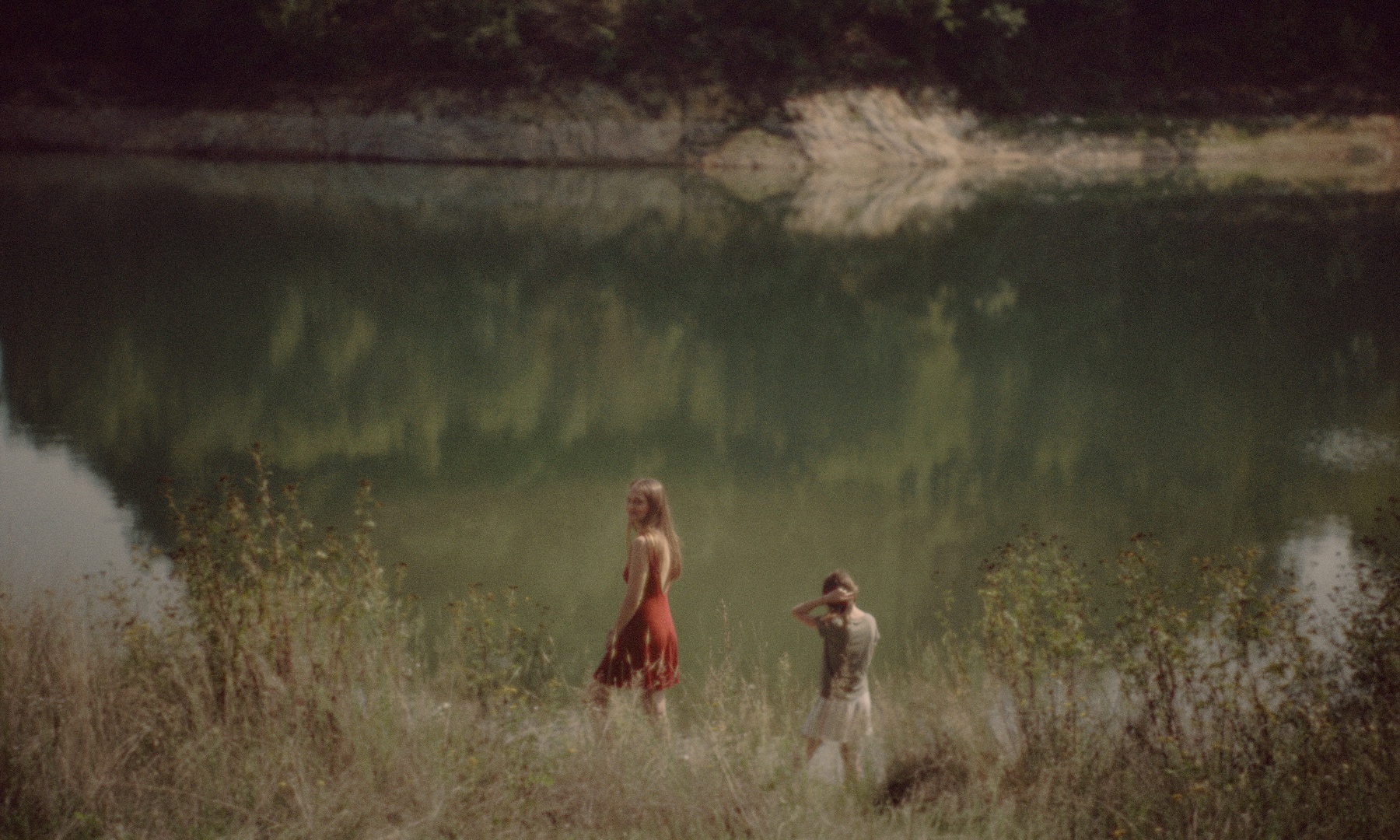
After a day at the beach, in “Francisco Perdido”, by Frederico Mesquita, young Francisco comes up against some of life's hard things — some even more annoying than having his phone stolen. “Nós”, by Vasco André dos Santos, shows us two ex-lovers on one last night together, the kind that keeps you awake until sunrise. In “Isle of Mia”, by Miguel Pinto and Francisco Morais, a girl who has always led an insular life weighs breaking with the past at the end of the school holidays. “Gallina”, by Fernando Reinaldos, introduces us to the tangled childhood dynamic between a ten-year-old boy, his sister and his best friend, with their grandmother's hen at the traumatic centre of events. “Bright Summer Days”, by Nevena Desivojevic, is an elegy to days frozen in amber: photographs, crickets, cicadas and the past.
Words by Rafael Silvestre Fonseca
Opening Session
10 July (21:30, 86')
Buy TicketsTo open Triste Para Sempre 2026, we begin with a calm, deeply intimate session. We look into the diaries of two characters who, in different ways, suffer under the world around them, and we watch, up close, their expressions of unease.
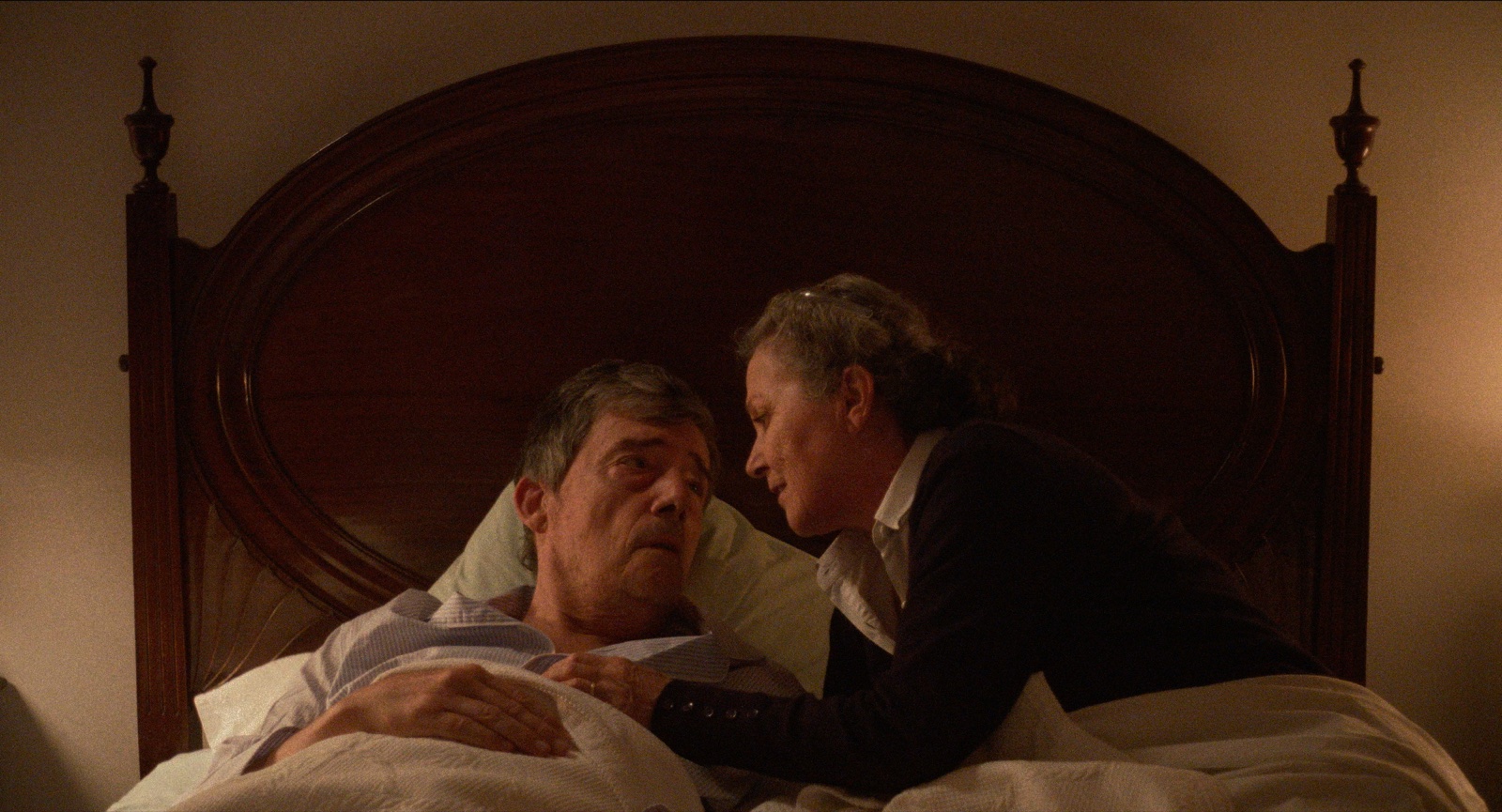
In “Diário Antecipado”, the first short film by João Sarantopoulos, a displaced teacher recounts her anguish at the social inequalities of the deep Alentejo of the 1960s. At a slow pace, we follow the intimate words of a woman who resists the density of a village struggling against progress. Keeping that literary, personal tone, we watch the feature film “Somos dois abismos”, by Kopal Koshy. This profoundly moving work follows Carlos, an elderly widower in an extreme state of isolation and loneliness. The letters he writes to his late wife are vulnerable manifestos of love and longing, which we can only reach thanks to the director's sensitivity.
This session promises to draw plenty of tears, especially from the most delicate hearts.
Words by Carolina Serranito
Caminhar sobre as raízes
11 July (14:15, 106')
Buy Tickets“Caminhar sobre as raízes” (“Walking on the Roots”) is a session devoted to small Portuguese places, where traditions are deeply rooted in people, and where time finds its own passing strange.
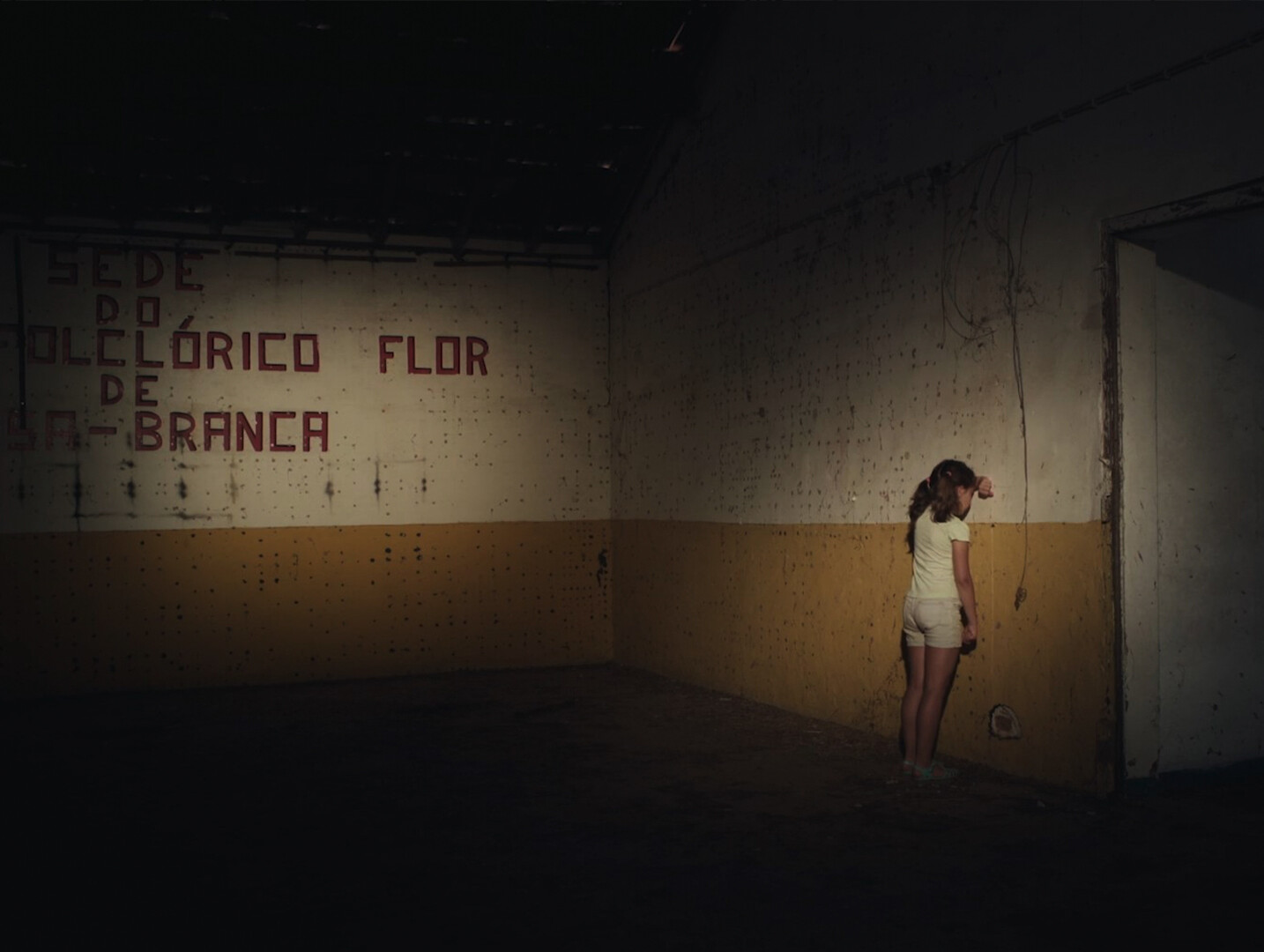
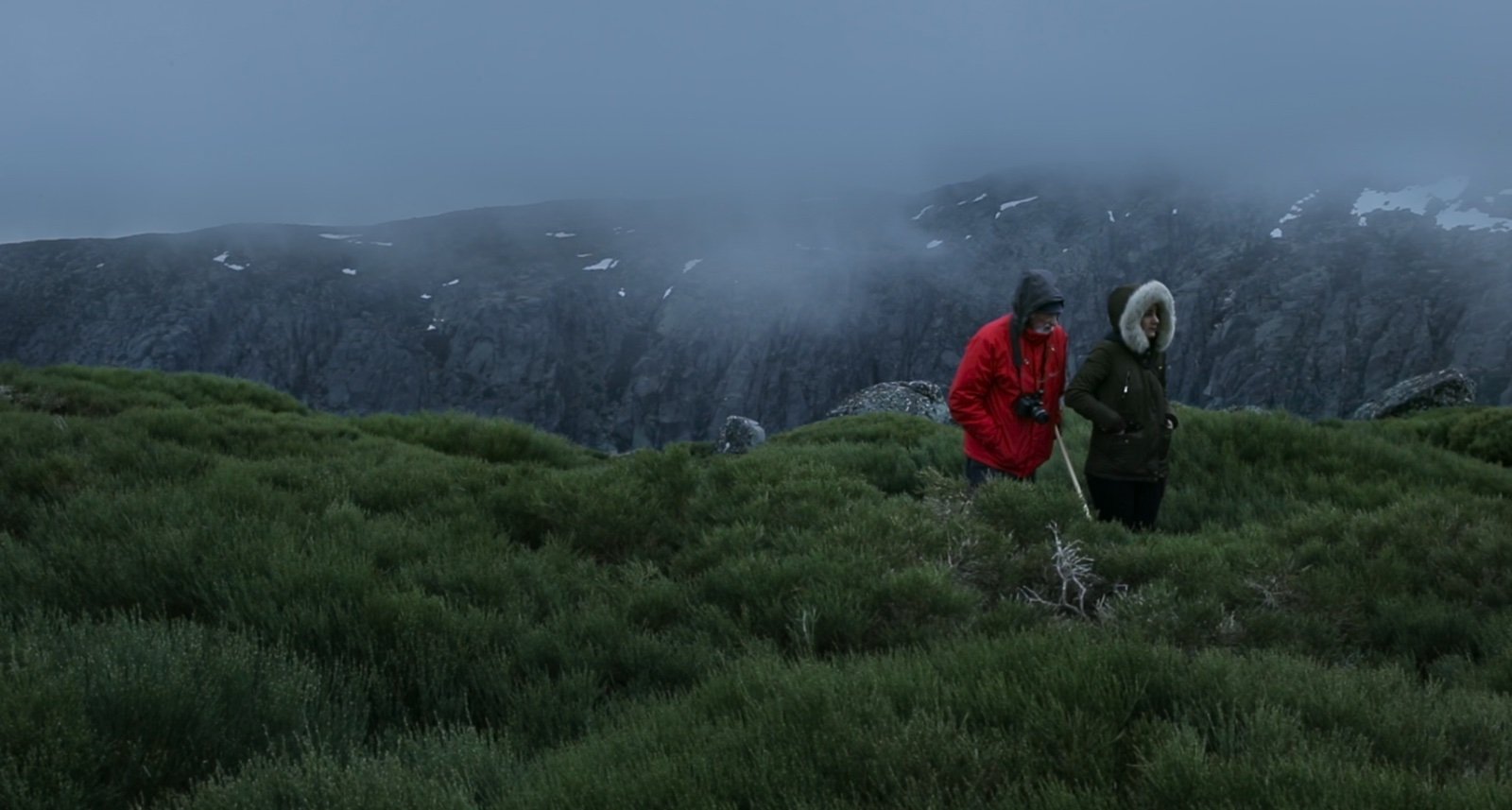
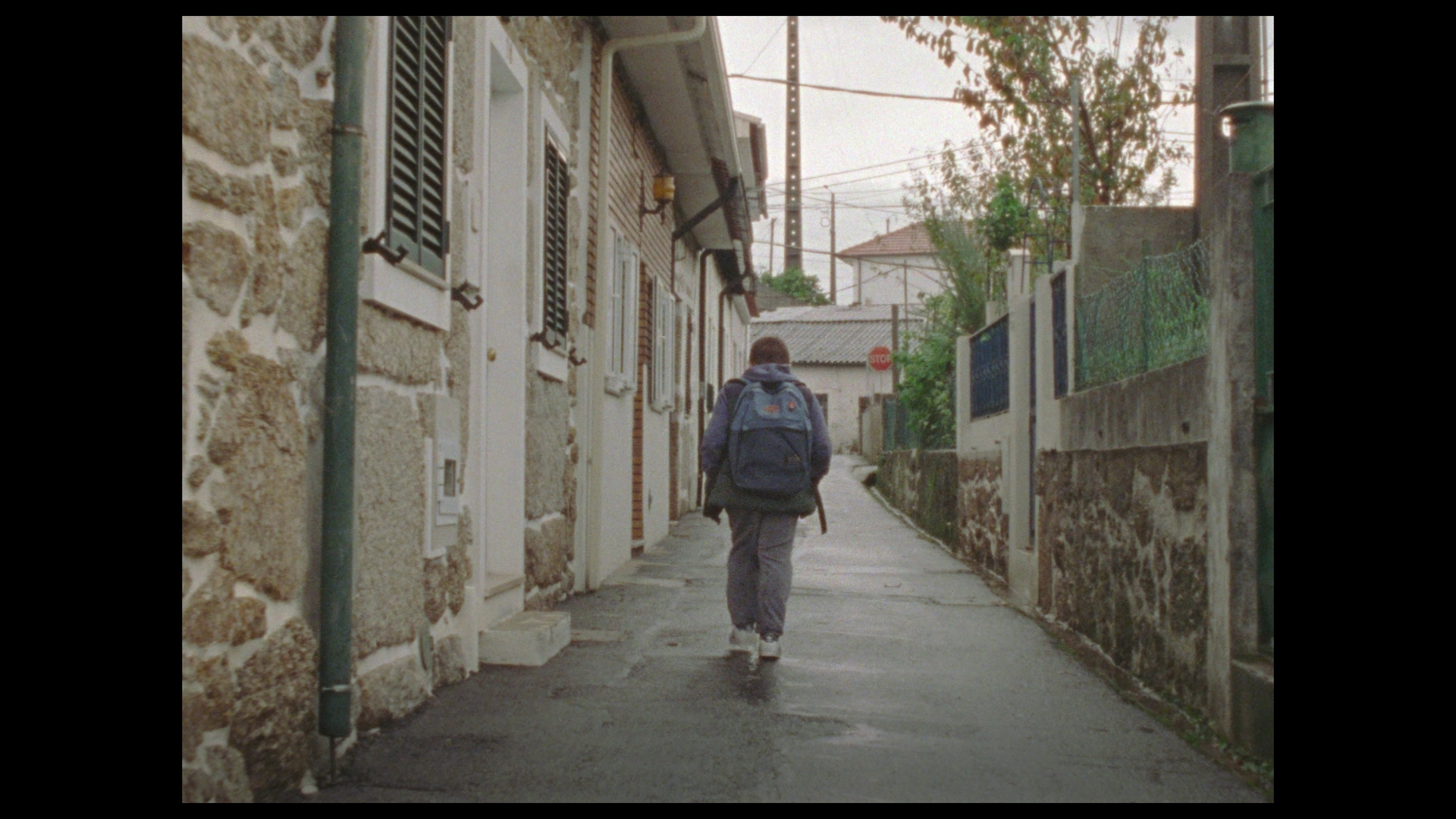
“Campos Belos”, by David Ferreira, is a short notable for its long-take work. The film follows a boy who walks without stopping, along an utterly familiar route. It subtly evokes the life expectations of those born in a small place, never quite challenging it. “Deuses de Pedra”, on the other hand, is a feature-length documentary that took Iván Castiñeras Gallego fourteen years to film. Here, as in the previous film, we follow a girl in her small hometown and take in all the geographical, social and emotional transformations running through the distant village of Moimenta and Mariana's family.
This session brings together two works that reflect on the meaning of rurality, tradition and preservation, with all their advantages and difficulties.
Words by Carolina Serranito
Para onde foi a mãe?
11 July (17:00, 96')
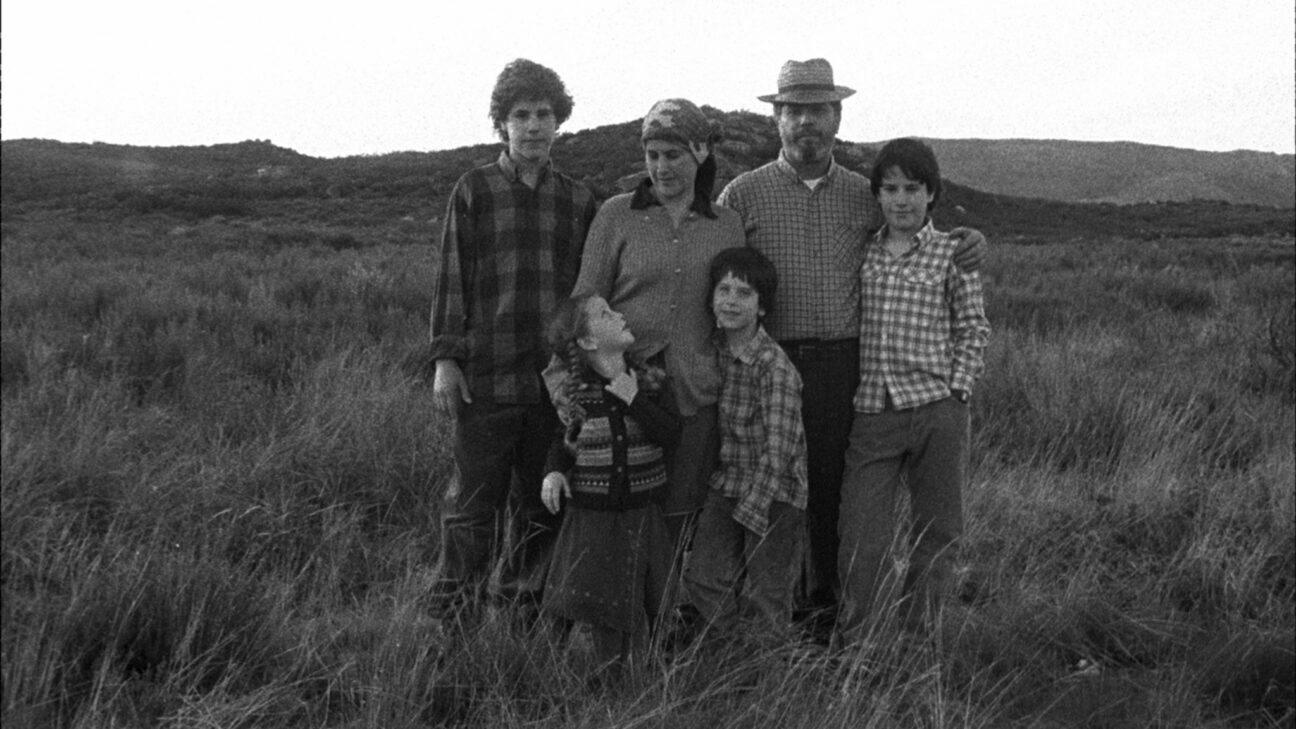
Buy Tickets“Para onde foi a mãe?” (“Where Did Mother Go?”) is a session in the form of a question, built around an absence — and so, leaning over the world that absence leaves behind. That world is a childhood placed at a turning point, whether banal and gentle, as with a mother who wants Saturday to herself in “Porque Hoje É Sábado”, by Alice Eça Guimarães, or severe and transformative, as in the strategy used to recover a mother in “À Medida Que Fomos Recuperando a Mãe”, by Gonçalo Waddington.
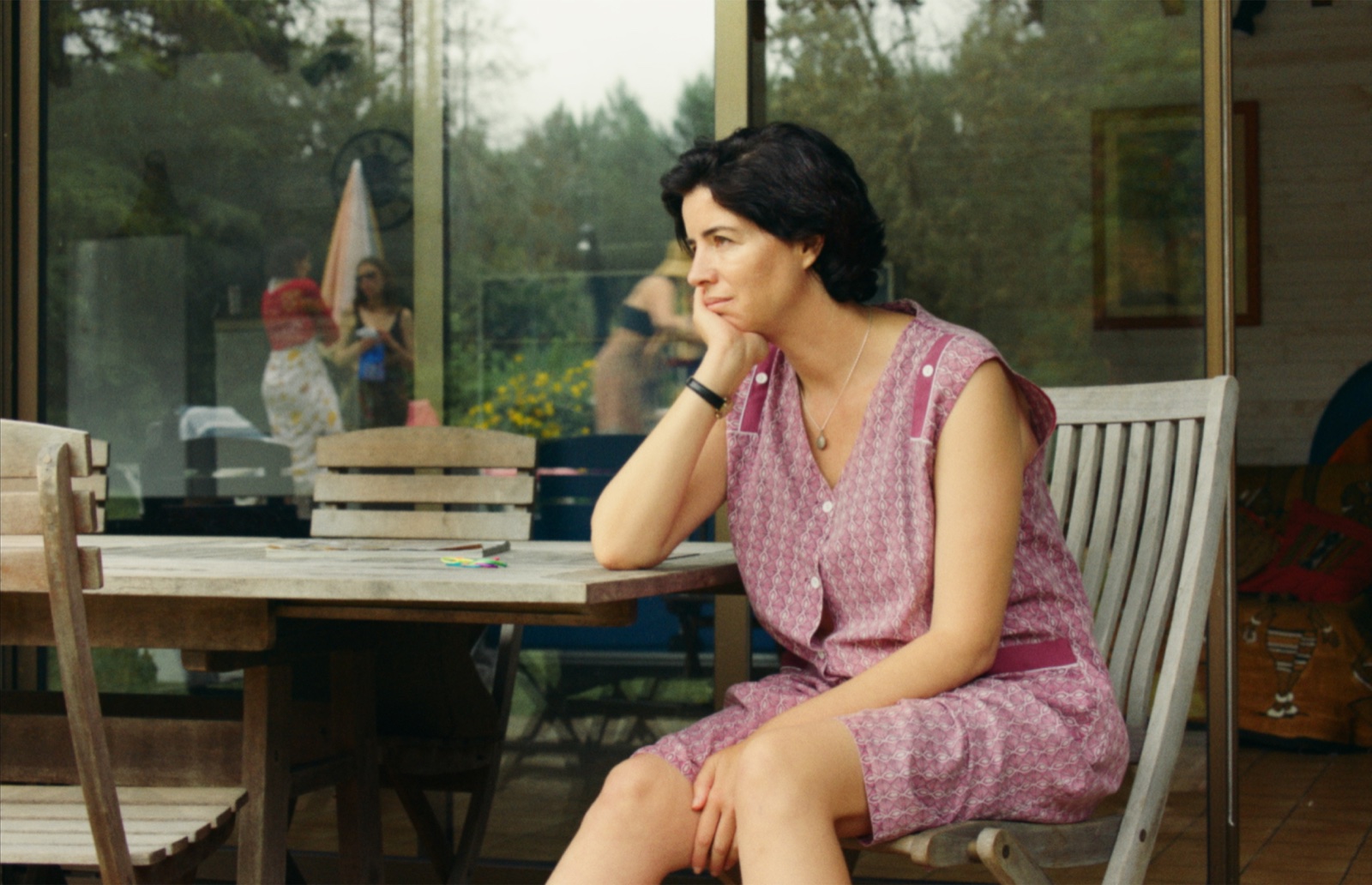
These mothers are not, however, mere producers of effects on their children. Within the same walls where the small world in their care blossoms, there is the vast world of their inner life. Sometimes they succeed in keeping it to themselves: such is the case of Leonor, nanny to little Vera in “Praia de Pedra”, by Sofia Bost, who presents herself as strong and able to bear all the girl's anguish. Sometimes they cannot stop their walls from crumbling: in “Finir au solei”, by Ephrem Koering, the mother of Louis — perhaps one of those people known as “regretful parents” — is worn down by trying to reconcile her domestic life with the personal, loving one she is trying to build.
In all four shorts, then, the same question, the same sadness. Because the day of this session is Saturday, and Mother will be home, it is plainly a day to be with her, to eat her cooking, receive the clean laundry and play, without her vanishing.
When there is no mother left, when at last we no longer know where she went — whether she left this world or somehow still inhabits the bodies and minds of her children — we will be able to witness the final consequences to which our question is driven.
Words by Rafael Silvestre Fonseca
Os Abandonados
11 July (19:30, 96')
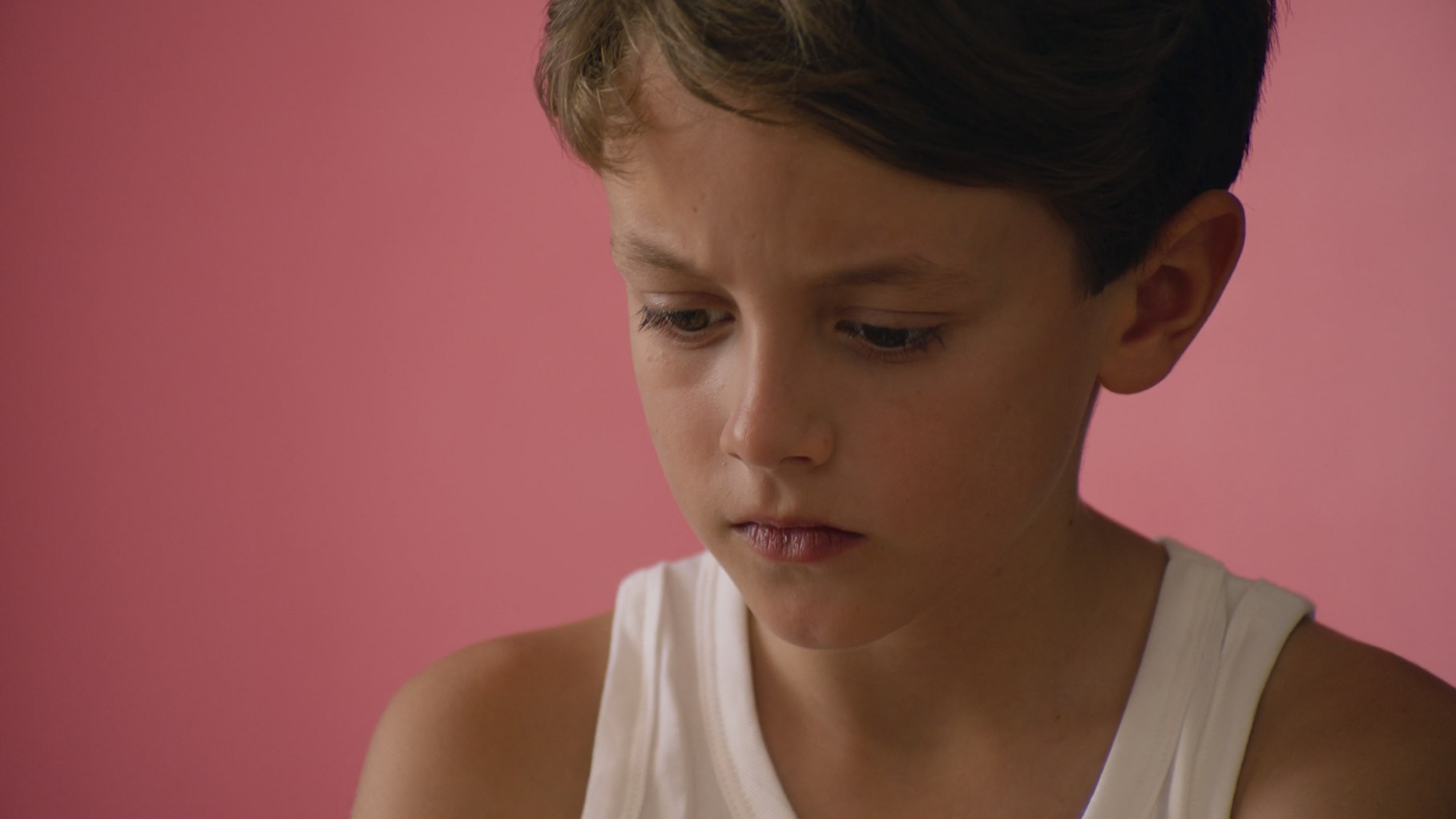
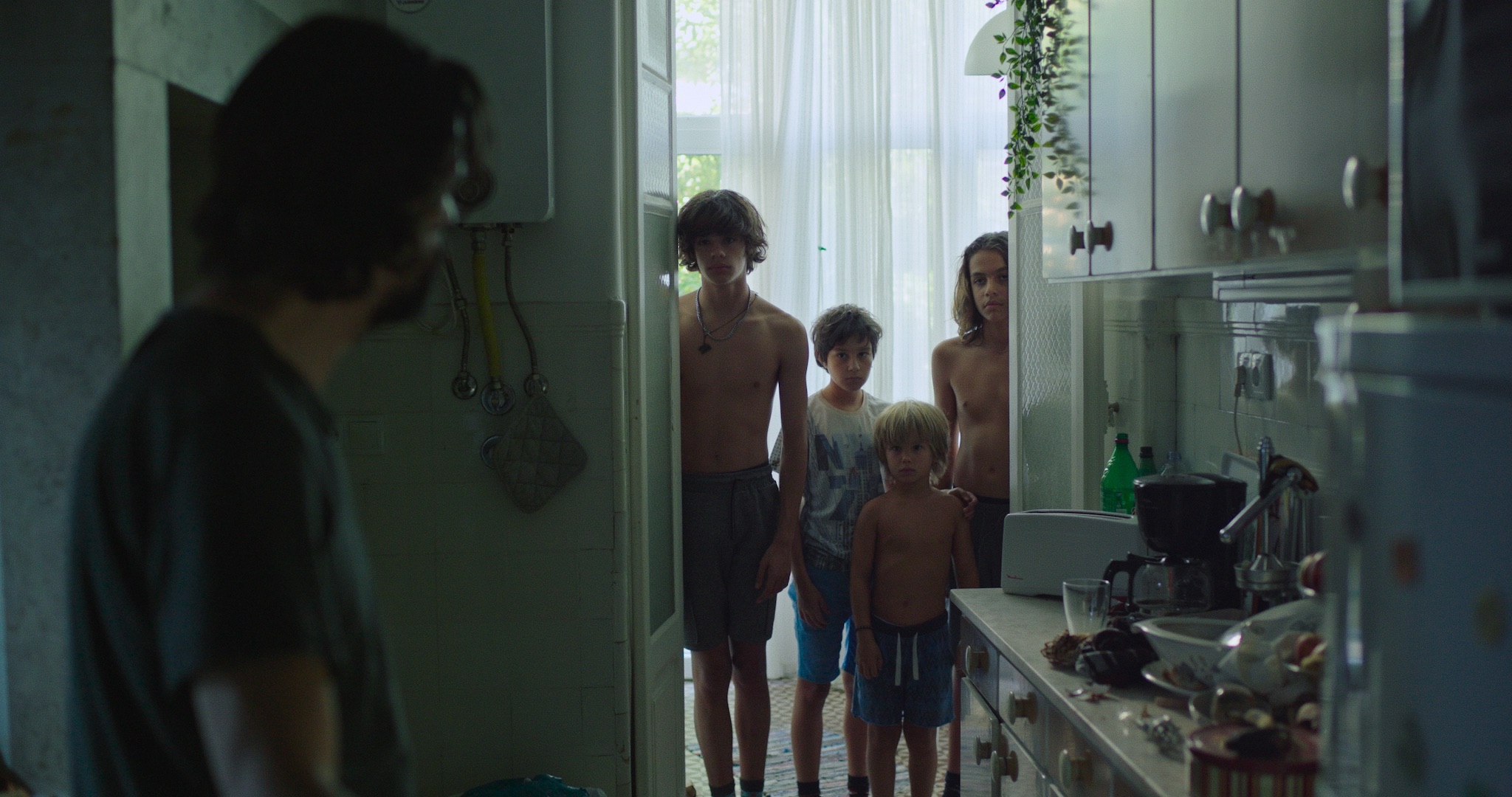
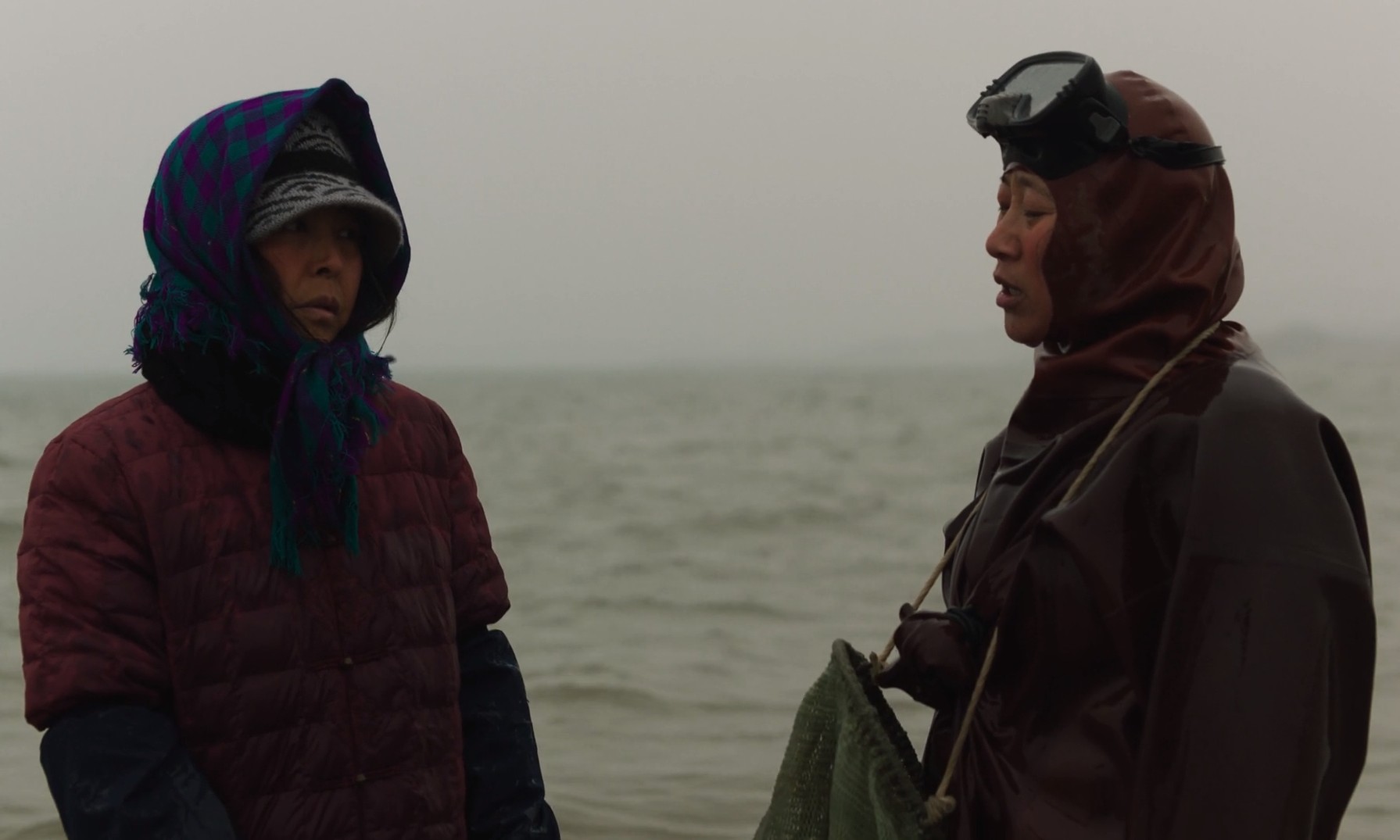
Buy TicketsFour films, many abandoned subjects. In “Tapete Voador”, by Justin Amorim, inspired by the stories of the victims of the Casa Pia case, we follow a group of teenagers within a very specific frame of a time, a place and a social reality in Portugal — a frame that plainly amounts to these young people being left to their fate, with only each other to count on. “The Tide”, by Haowen Geng, shows us two women, a mother- and daughter-in-law, precarious shellfish gatherers. They are alone now, following the disappearance of the son and husband, trying to work out what comes next. In “Cão Sozinho”, by Marta Reis Andrade, there is an abandoned dog on the hill beside the house, a grandfather going through widowhood, a protagonist returning from London, where she felt “lonelier than ever”. The abandonment in “Judite, ou a Primeira Revolta” is that of God — perhaps the ultimate one: Judite is a sacristan, her husband is at home with dementia, the priest pays her little attention, and the heavens no more. Let us all gather in this session, and try to make sure no one feels alone.
Words by Rafael Silvestre Fonseca
A Terra Devastada
11 July (22:10, 82')
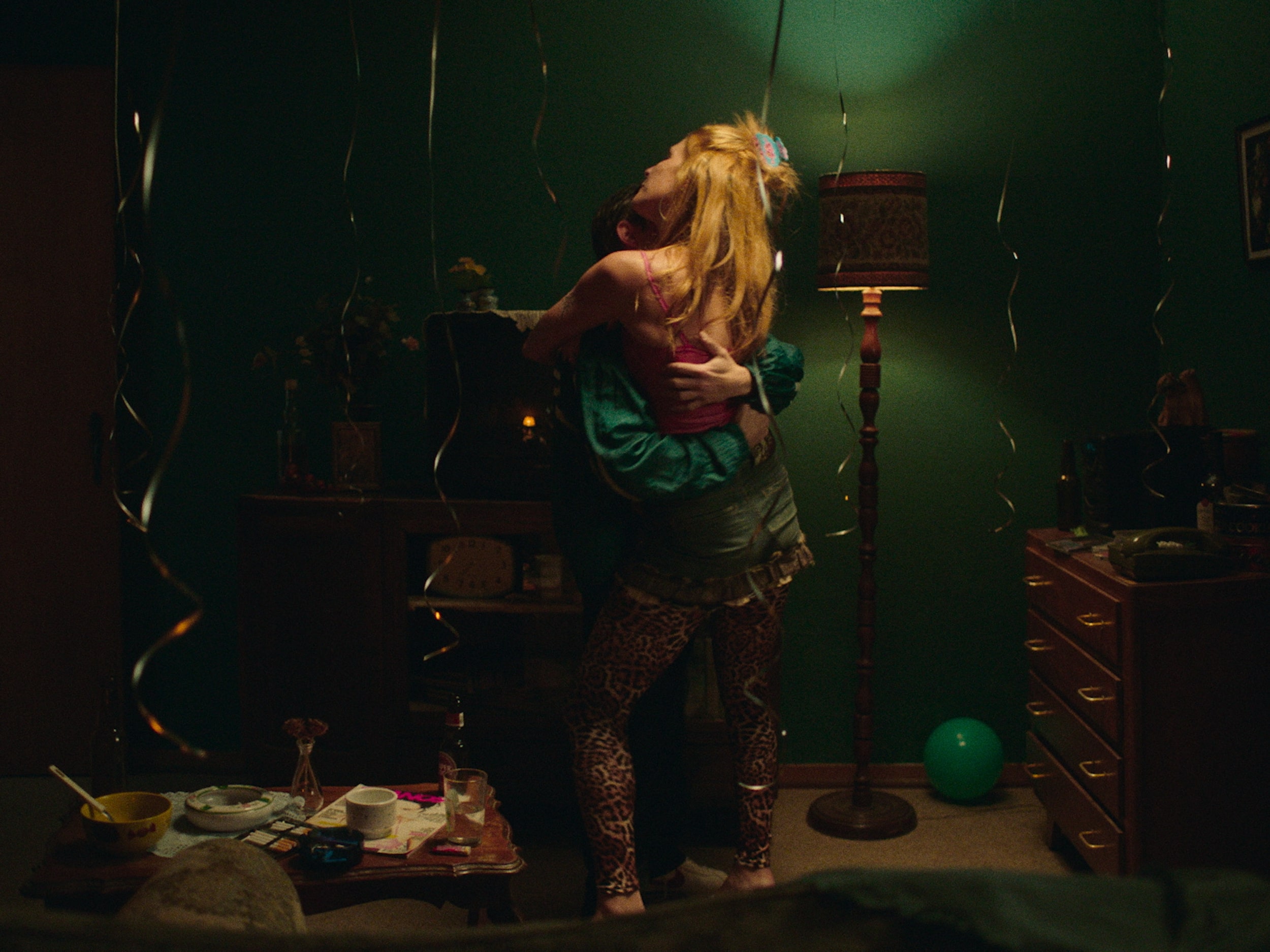
Buy Tickets“A Terra Devastada” — a title borrowed from T.S. Eliot's poem, also recalling the industrial area that is a “valley of ashes” in the novel The Great Gatsby — is, at our festival, a thing of its own: a session that presents, and situates itself within, a composite. A composite of a city — Portuguese — nocturnal, noisy, inhabited by atomised individuals coursed through by an urban malaise, survivors in a place of “noise and dust”, as one of the characters in “Consolação” states. We hear cars going by, there are irremediable things between people, epiphanies are felt in the streets and in buried memories.
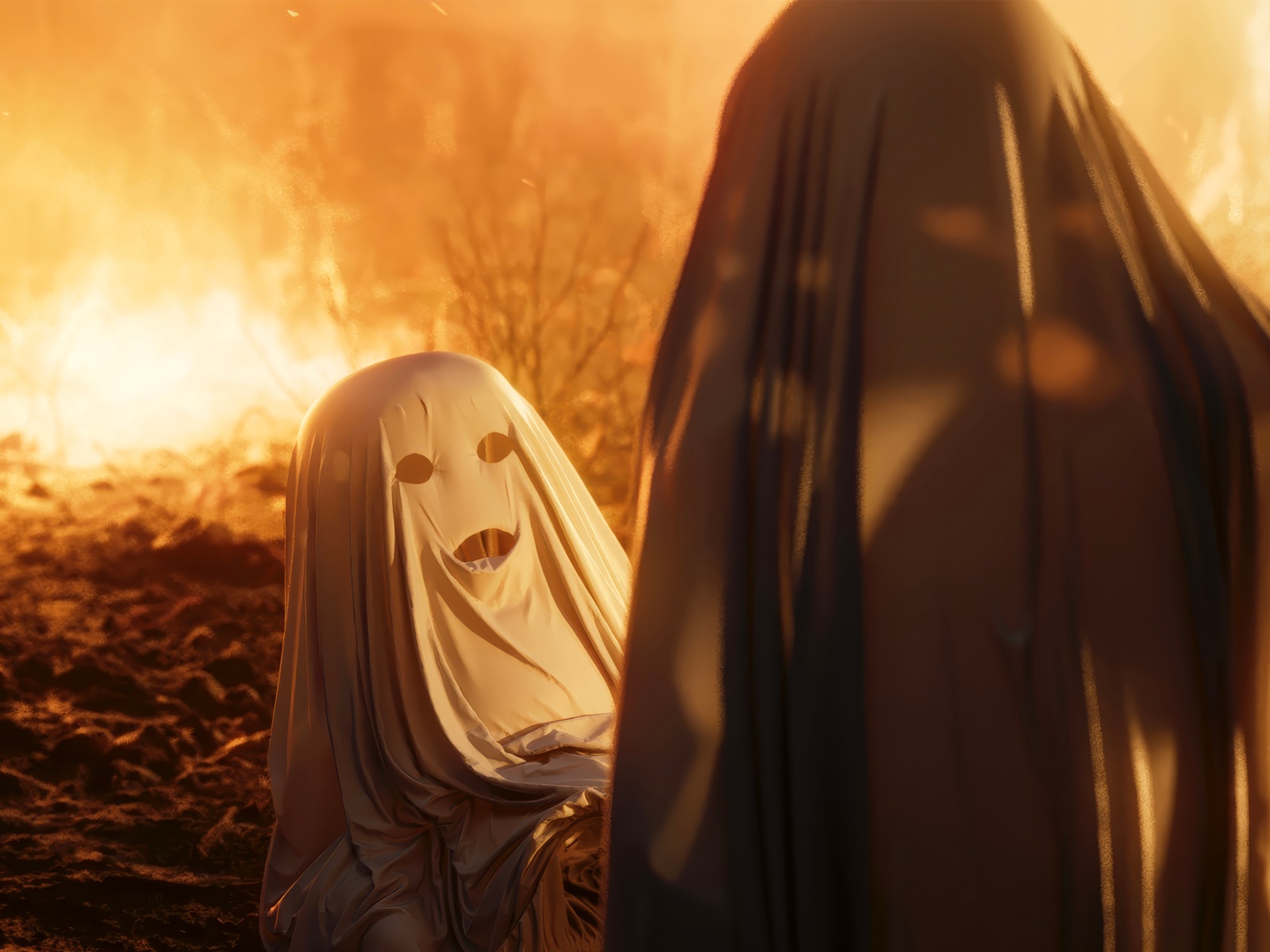
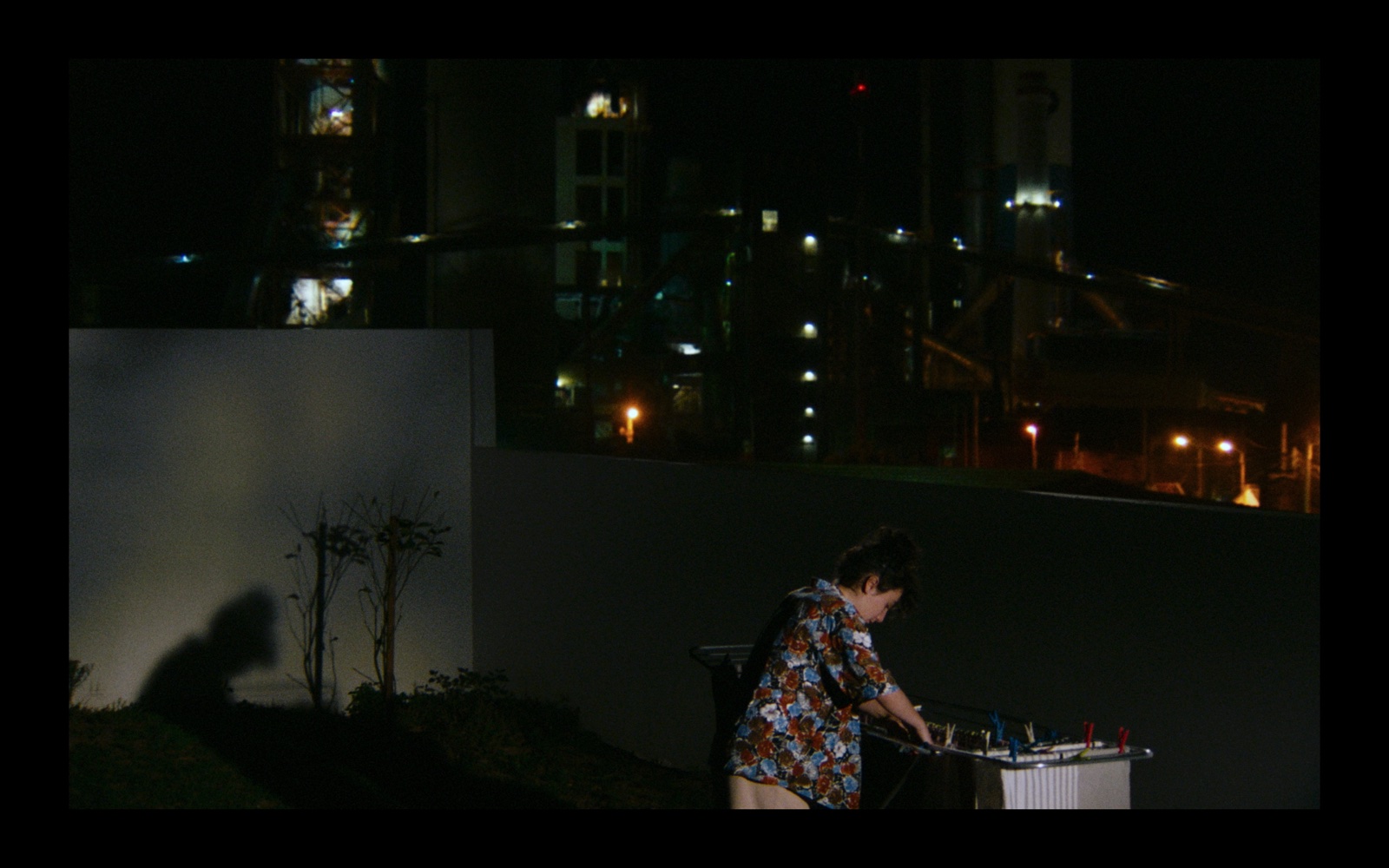
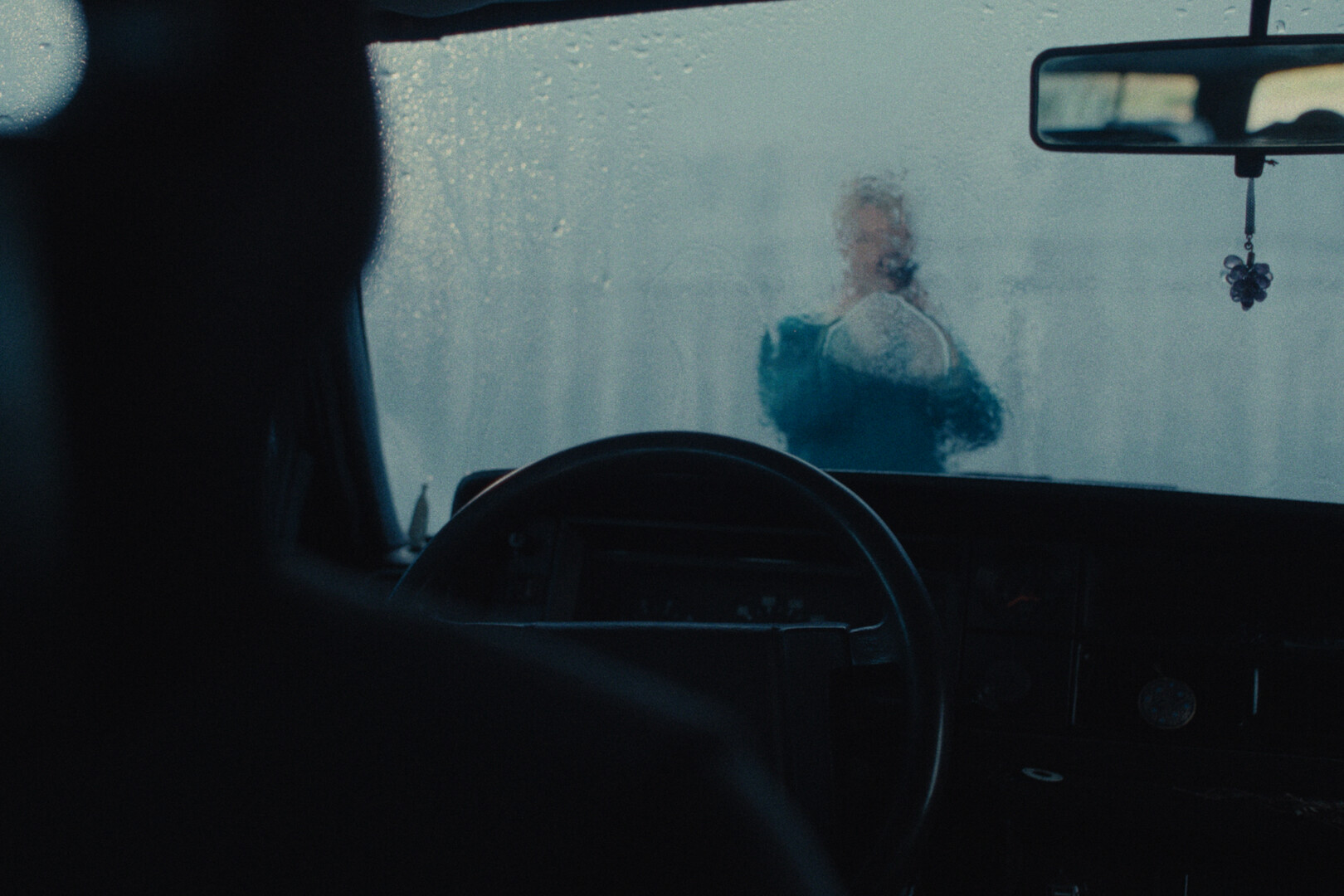
In “Arguments in Favor of Love”, by Gabriel Abrantes, the world outside has already ended: all that remains are the last throes of affective relationships. In “Consolação”, by Marianne Harlé, a mother and two daughters who live beside a quarry stay awake deep into the night. There is sorrow happening all over the city: in “Carro Ultra Passado”, by João Salgado, shot inside a car, a man says goodbye to it, looking for someone to buy it. “Nuno”, by Nuno Taborda, a psychedelic film, where the alleyways become a stage for the transmigration of souls. In “Andar com Fé”, by Duarte Coimbra, a friend lies buried beneath Lisbon, perhaps for a long time. In “J.”, by António Pinhão Botelho, we climb out from under the rubble, in a film shot in 2015 that only now sees the light of day. The session traces an arc, perhaps an optimistic one: dawn does, in fact, break at the end.
Words by Rafael Silvestre Fonseca
Tristinho Para Sempre
12 July (11:30, 49')
Buy TicketsFor the first time, Triste Para Sempre branches out into a new and very important category: the childhood tears of little tristinhos. Shorter and packed with animation, this session takes in a range of different themes, ensuring an encounter with a joyful, stirring kind of melancholy.
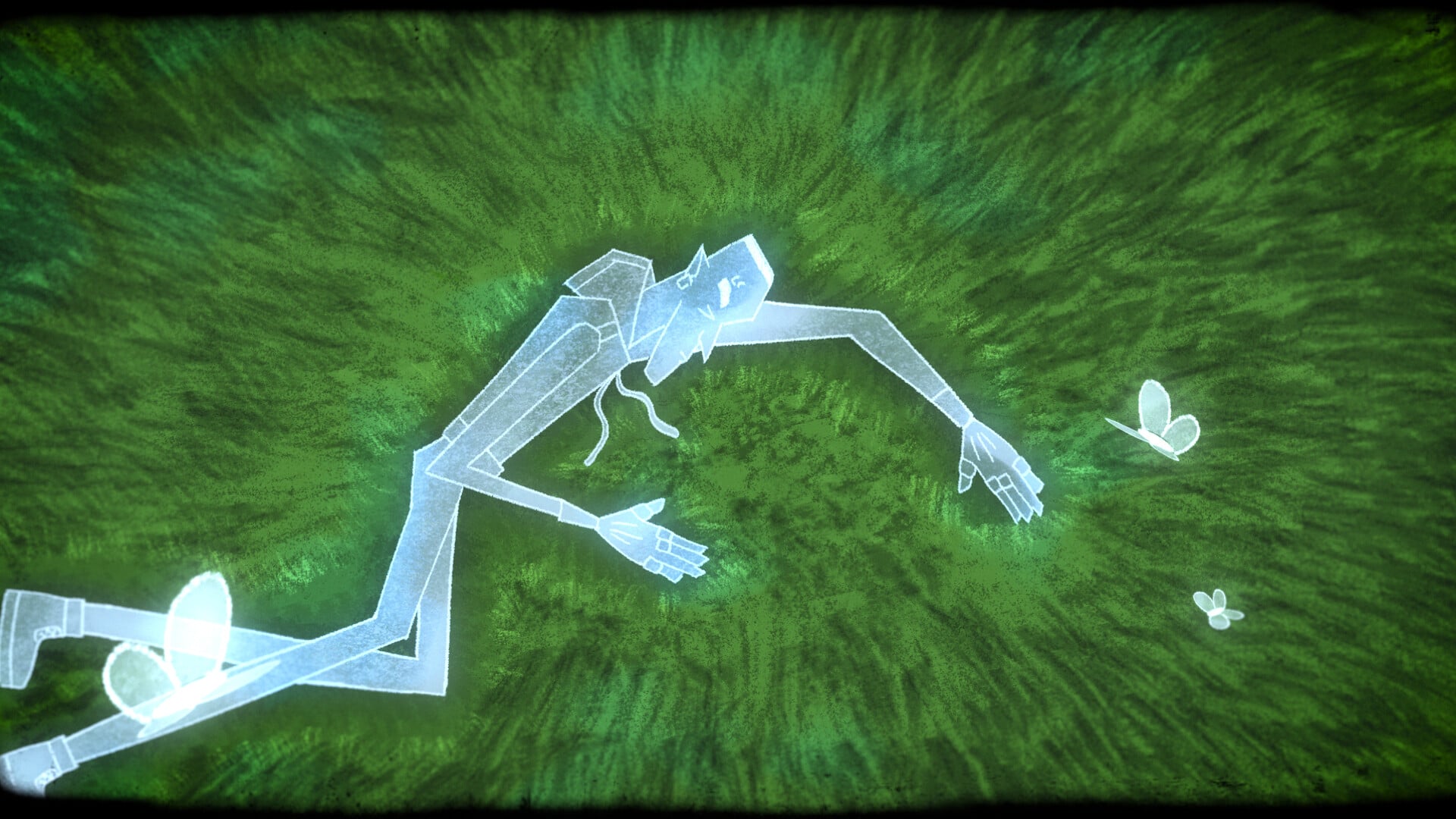
“(A)stray” is a striking stop-motion short. We follow a stray dog looking for shelter and food who, instead, keeps running into hardship and obstacles. “The Wooden Crown”, a wordless mix of 2D and stop motion, summons the nostalgia of playing with one's grandparents and the impossible wish for their immortality. Still on the theme of grandparents, we watch “Sequencial”, also 2D and stop motion, navigating fear and reconciliation within family love. Reassured that everything passes, even the less good things. And to close, we join “Rui Carlos” and his friends in a lively football match, where young and old face off with plenty of grit.
The mishaps don't end here — there are disappointments to suit every age, and this is the only session where we let a few (slightly) happy endings slip through.
Words by Carolina Serranito
O Corpo Estranho
12 July (14:15, 69')
Buy TicketsThe body as a strange thing that feels itself, as the shell of the soul, a physical thing whose reality imposes itself inescapably: when we look in the mirror and ask why there should be such a thing as the navel, for instance. Fragile health and the hatred of others send us back to it, to our body. Sometimes we simply don't quite know what to do with it, in life or in death. In these five short films, the body is a “question”: it places itself in front of us, it lies in the path of thought.
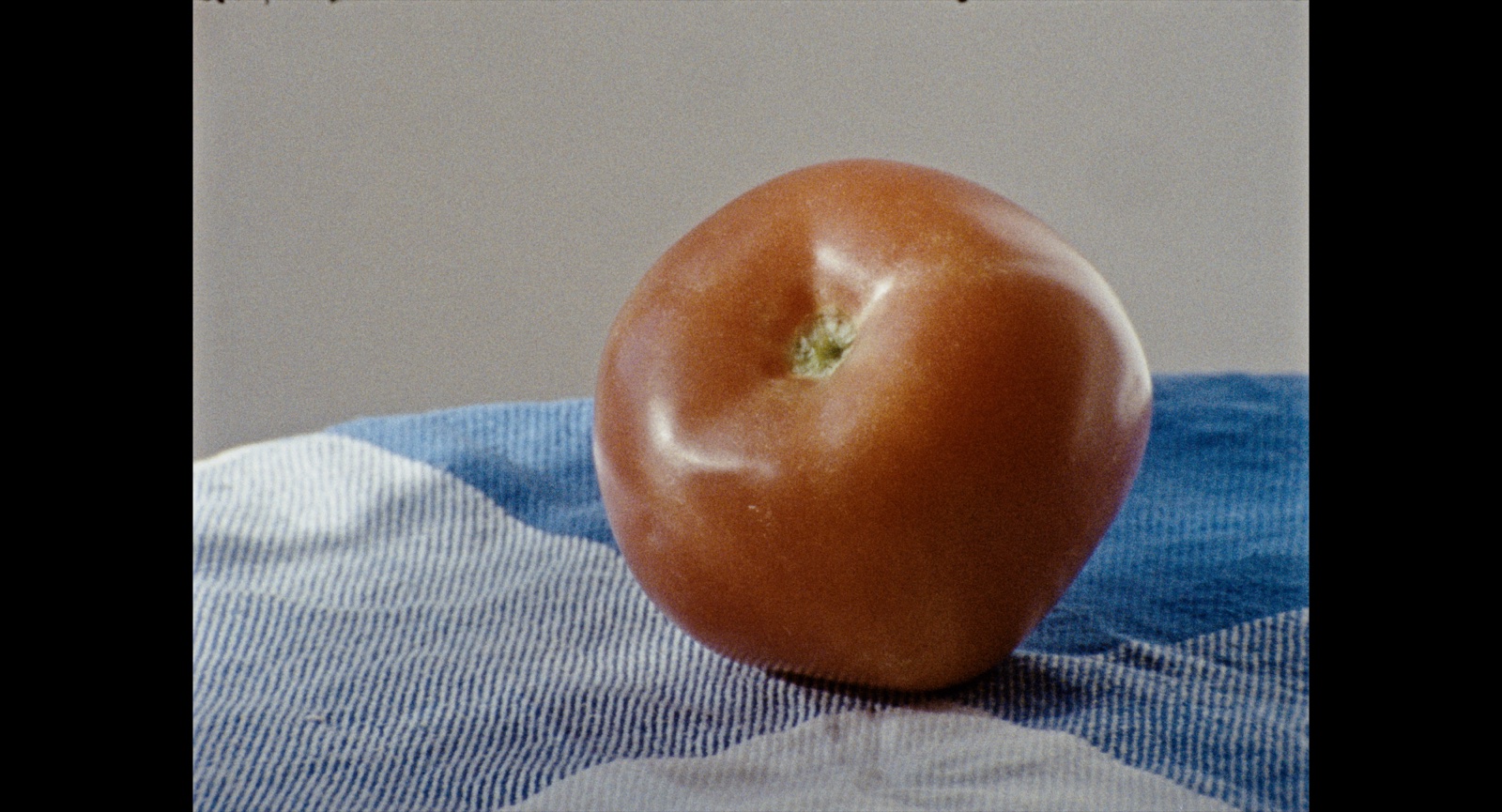
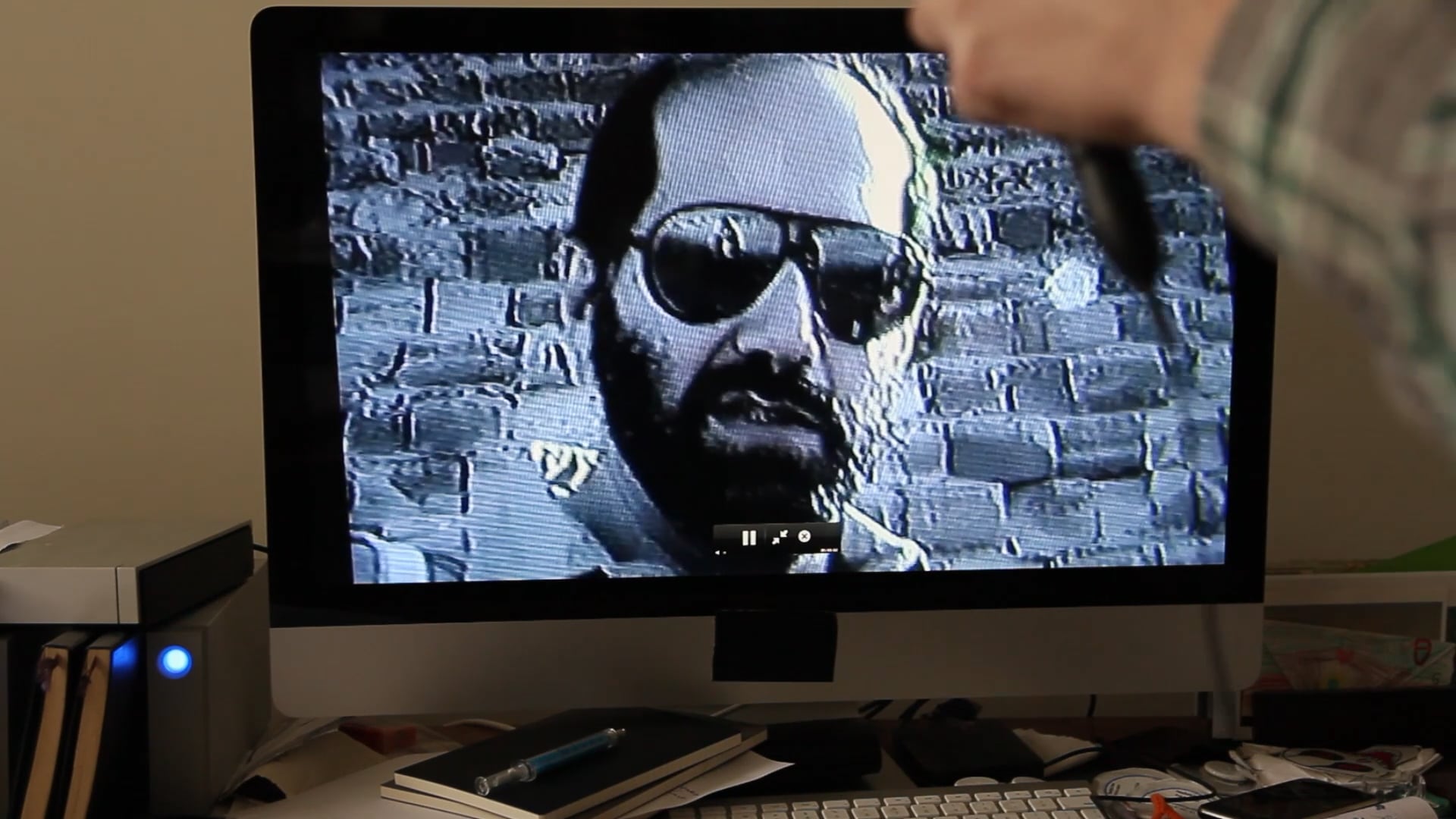
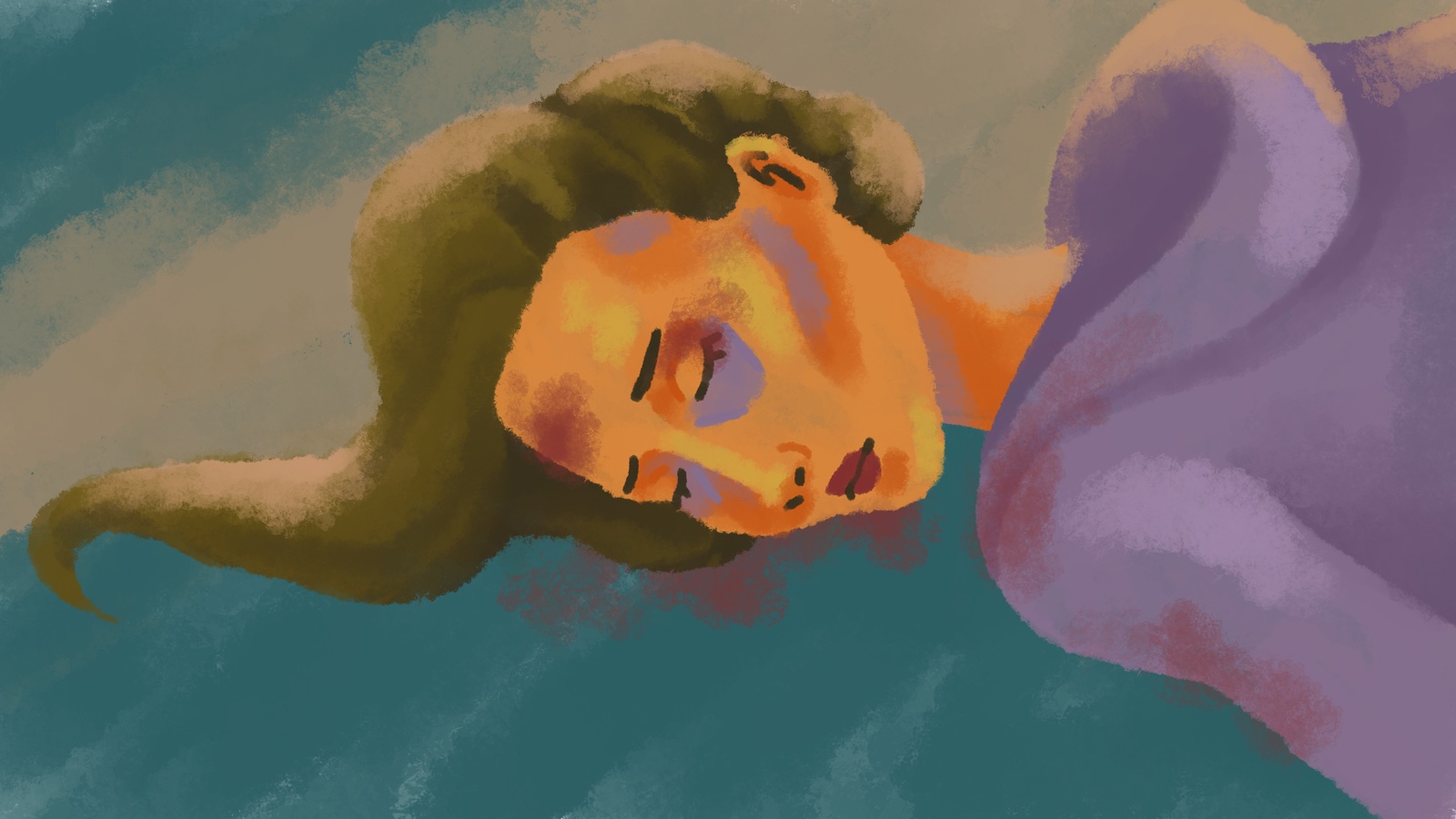
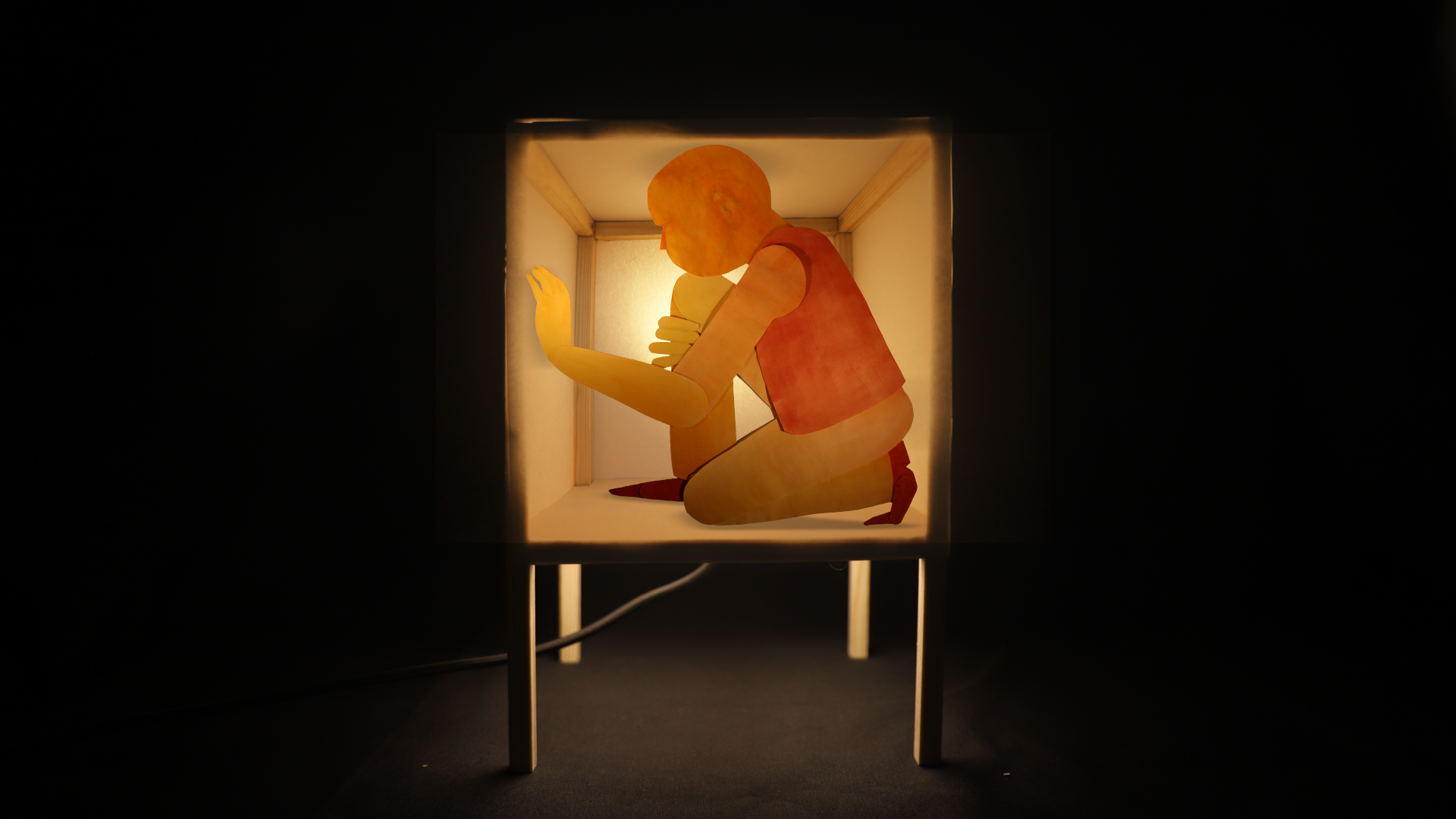
In “O”, by Francisca Alarcão, a girl's navel insists on tormenting her: showing blood, appearing in her dreams and in the round forms of nature. In “Autobiography of my Diabetes”, by Matthew Lancit, a first-person account sets diabetic crises within the universe of bodily deterioration found in gore and horror cinema. “A Culpa é da Água”, by Ana Leonor Guia, Marta Quintanito Roberto, Ruben Pinto and Tiago Magalhães, reminds us of the worst violences that intolerance and evil summon upon a body. “Making it Fit”, by Mariana Leal, and “Antígona, ou a História de Sara Benoliel”, by Francisco Mira Godinho, ask what is to be done with the body after death — in a practical sense, in the first, interviewing within the LGBTQIA+ community; in the sense of epic, in the second, as Sara fights within her neighbourhood for the possibility of a dignified burial for her brother.
Words by Rafael Silvestre Fonseca
Corações Partidos
12 July (16:15, 94')
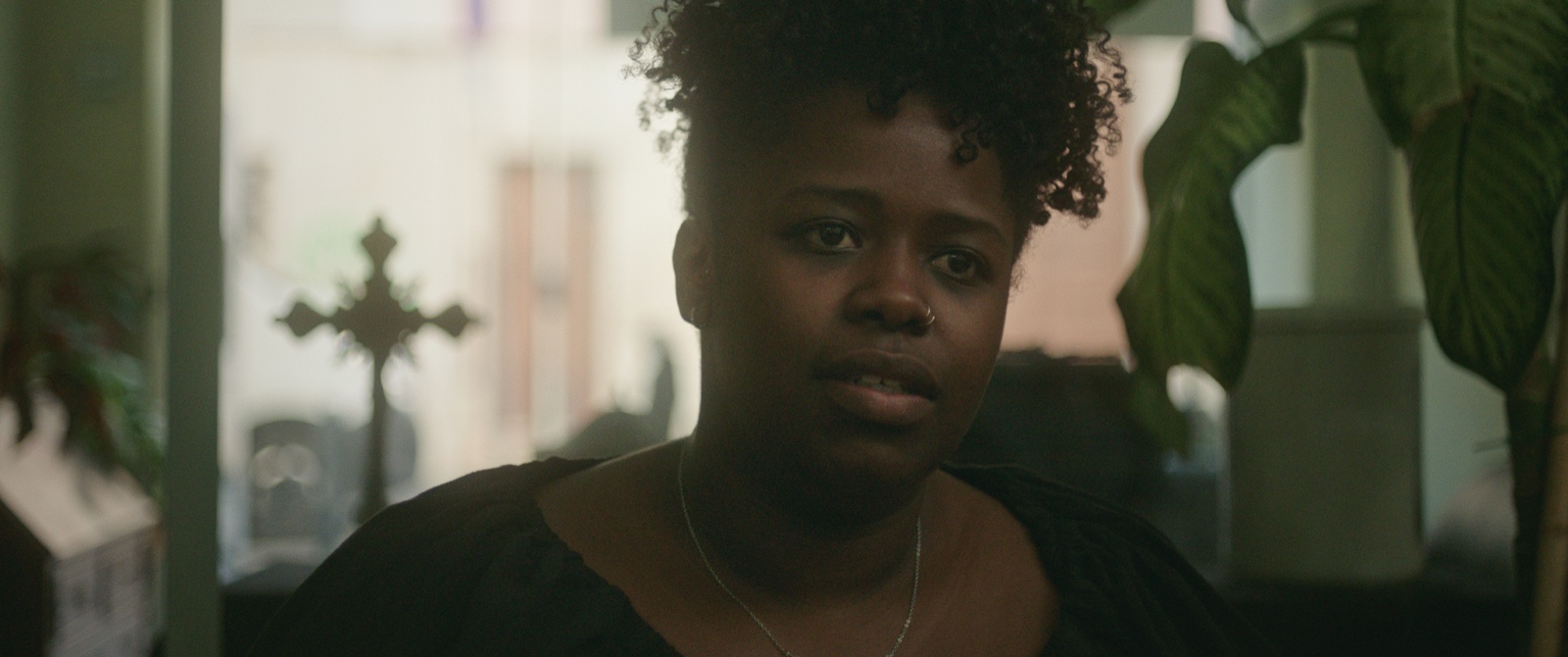
Buy TicketsThere are relationships that never end. They transform, they echo within us, they hang suspended in time like a thread left untied. “Corações Partidos” gathers stories that orbit those endings-that-don't-end of love, sailing the waters of memory, silence, guilt and grief.
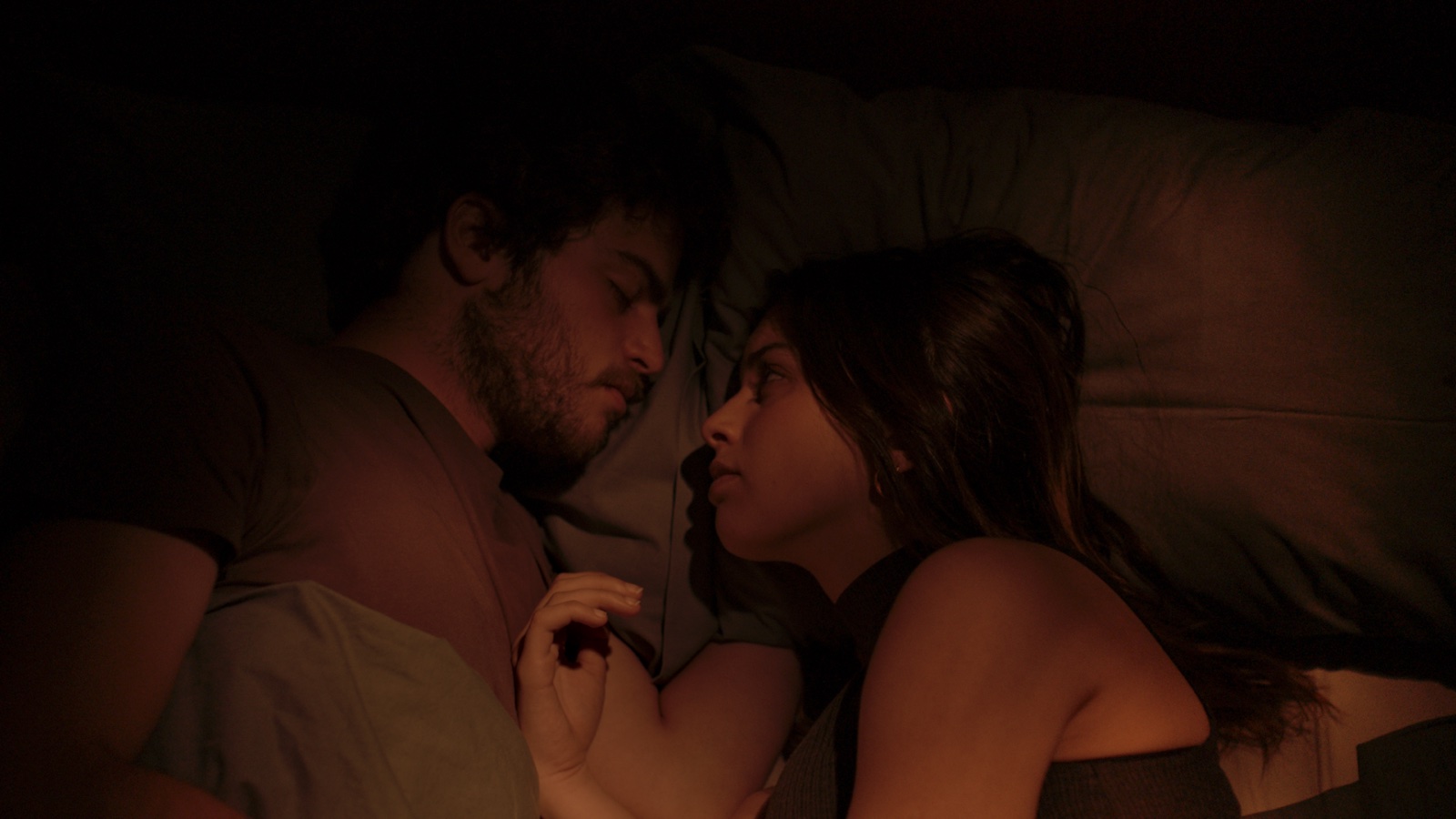
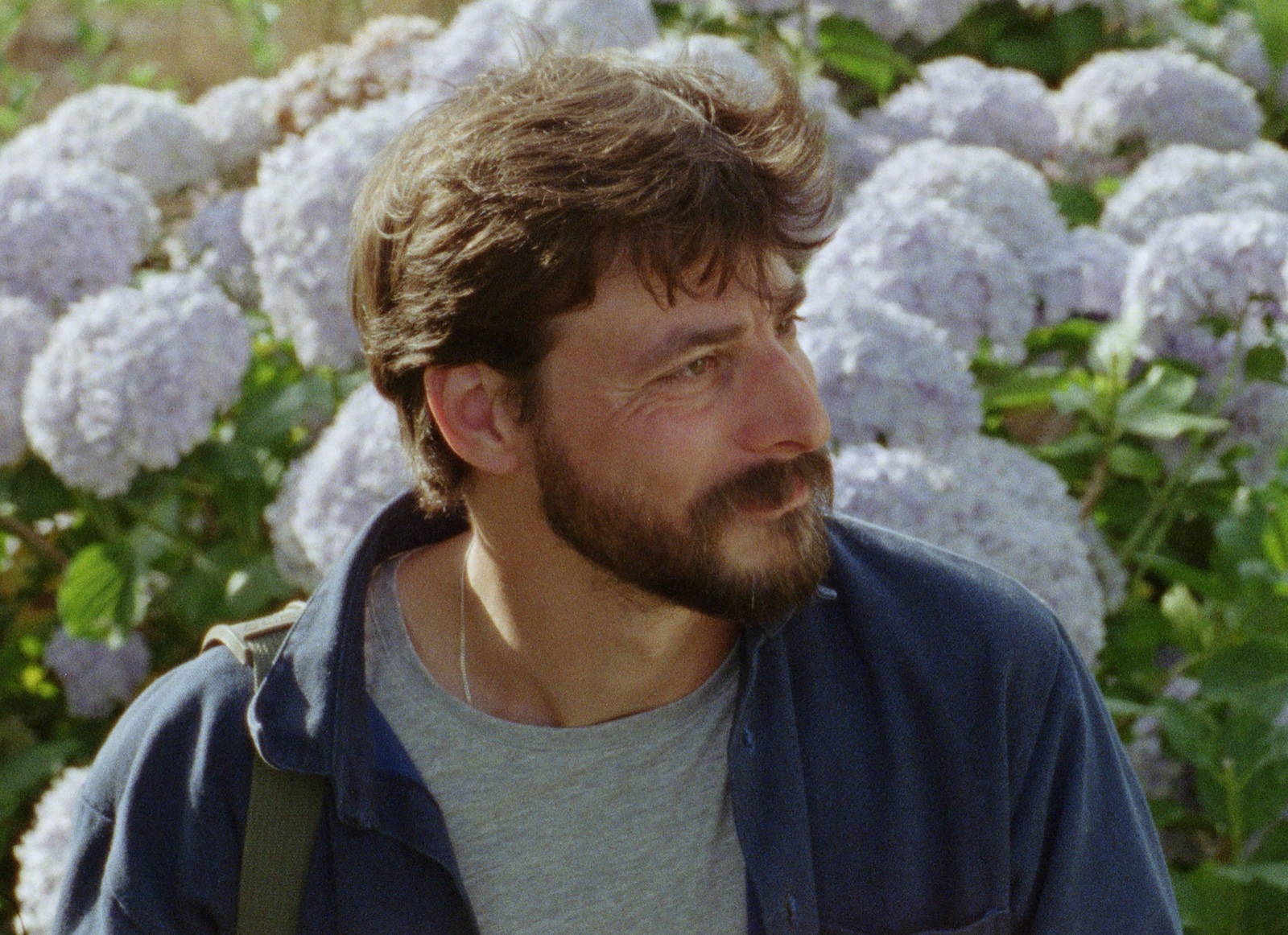
In “The Perfect Past”, by Misagh Karimi, an Iranian ex-couple meet again after years apart. The film is built on intimate dialogue and, above all, on the revealing silences the couple share. “Efémero”, by Matilde Almeida, is a visual and sensory essay on time, memory and affection. Through archive footage and narration, we follow a love letter to family ties and to bonds with companion animals. In “Intermission”, by Arnau Vilaró, a man tries to talk with his former partner after the possibility of adoption reopens a shared past. Between hesitation and desire, the film moves through an artistic, contemporary Barcelona, following a protagonist in search of meaning and peace. “A Little Kiss”, by Emília Veloso, offers a rare look at guilt. In a narrative that interweaves past and present, we follow a young woman confronted with the act of betrayal and the reach of its consequences. “Sol Menor”, by André Silva Santos, follows a man caught between the routine of teaching music and grief for his wife. This daily life seems to leave the protagonist in a kind of limbo, until something shakes him emotionally.
Five films in which each memory is, at once, the wound and the cure of something that insisted on existing.
Words by Diogo Graça
Além da Montanha
12 July (18:50, 88')
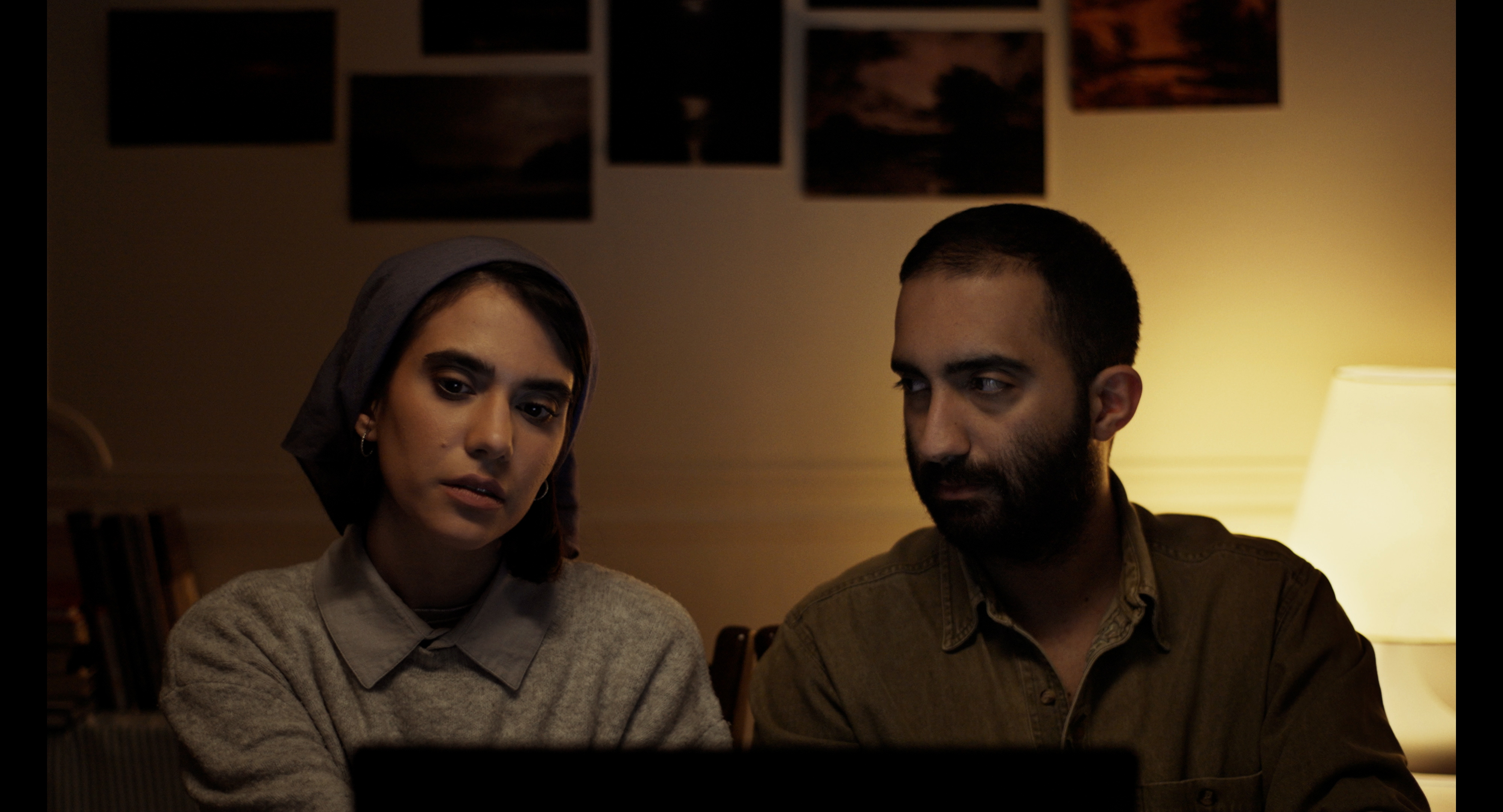
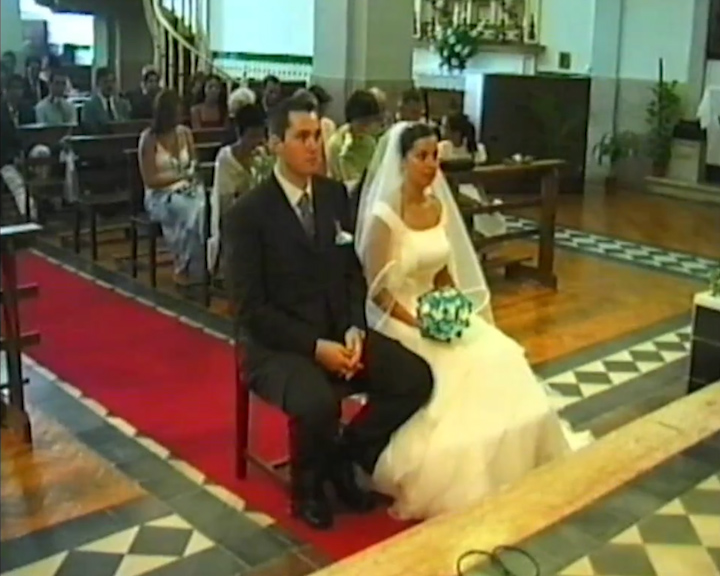
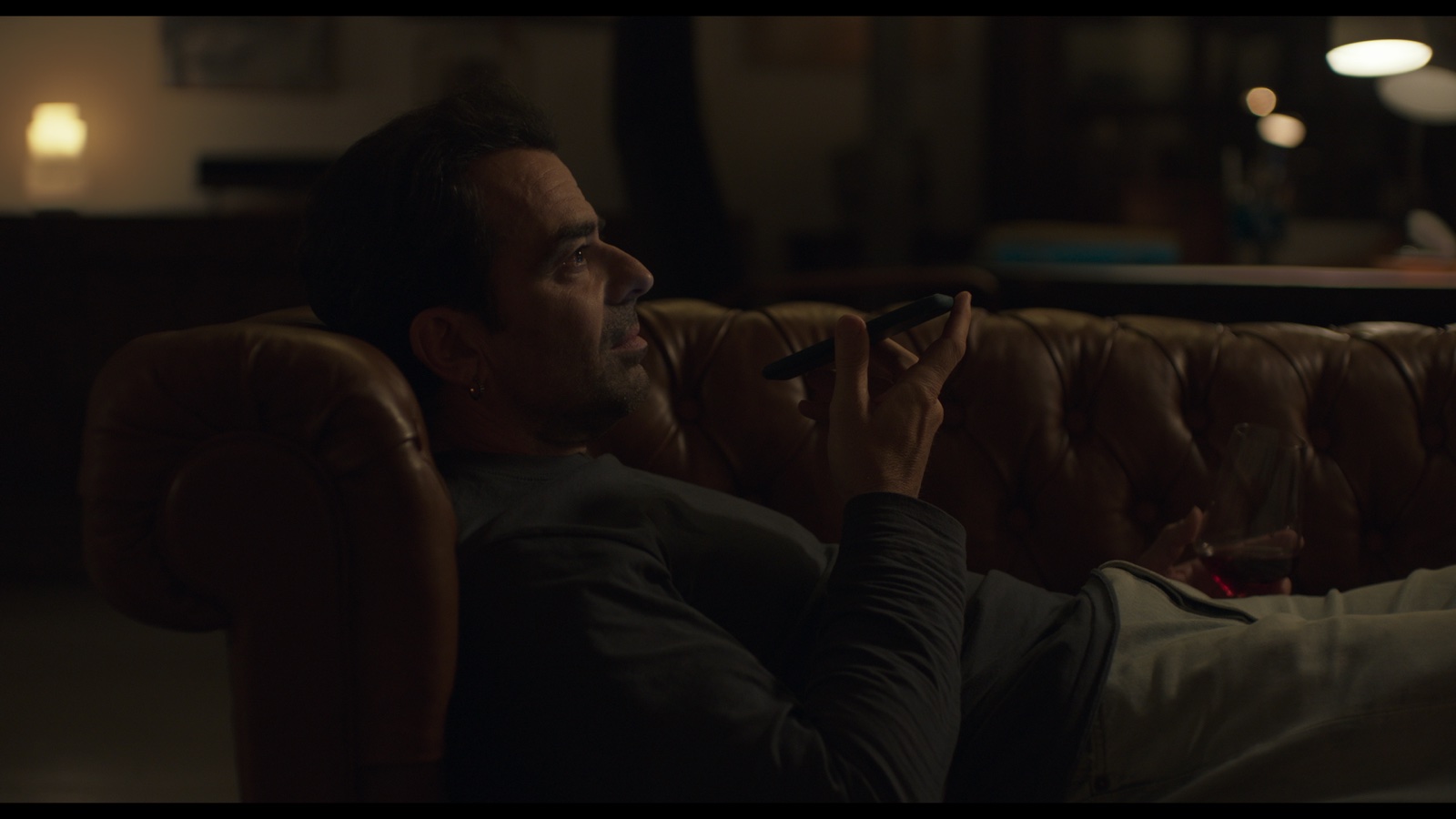
Buy TicketsBetween physical borders and other, invisible ones, “Além da Montanha” gathers stories marked by displacement, by work and by the search for belonging. They are films about migration and class, where the idea of “home” turns pliable and at times unreachable.
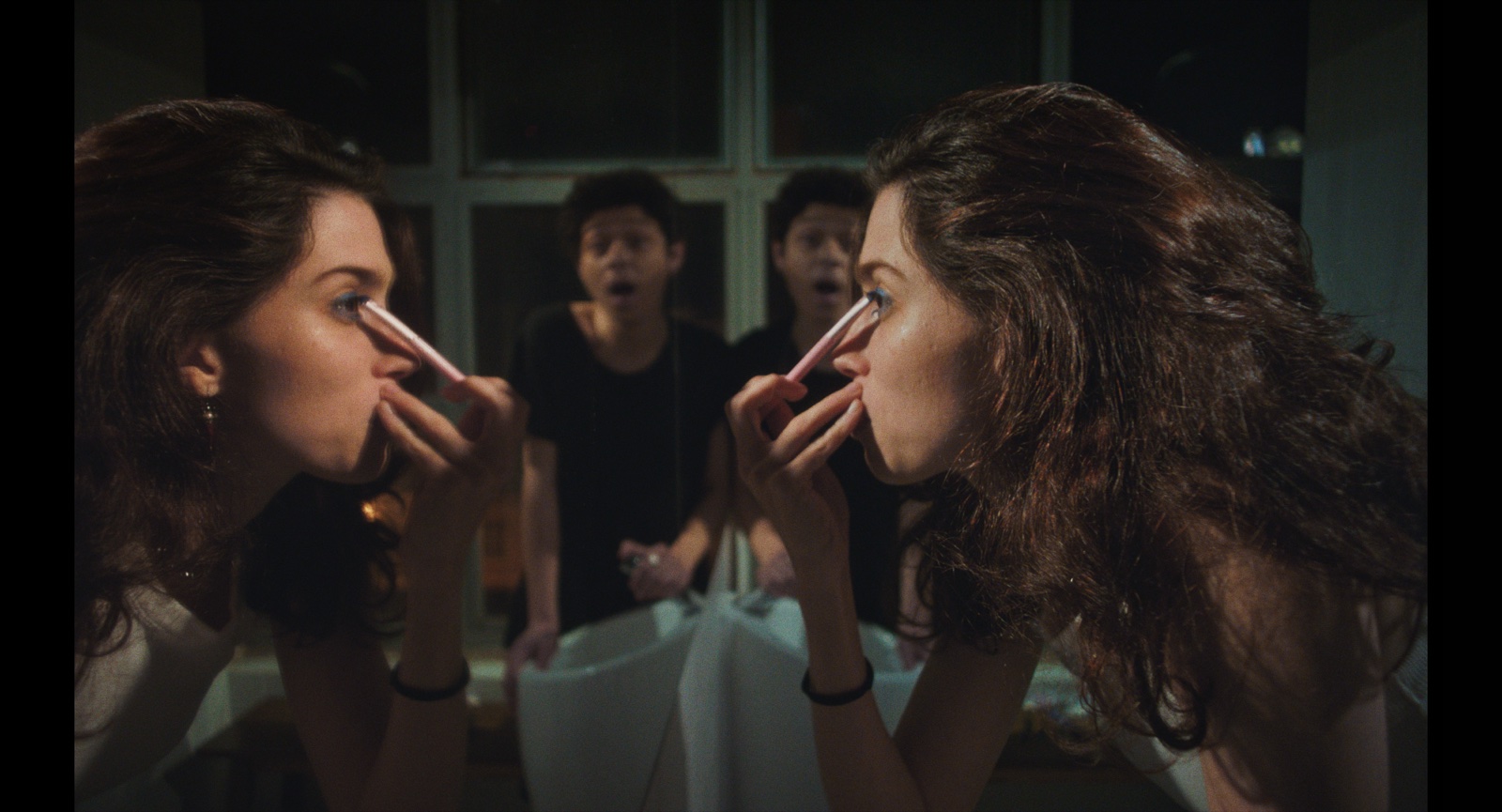
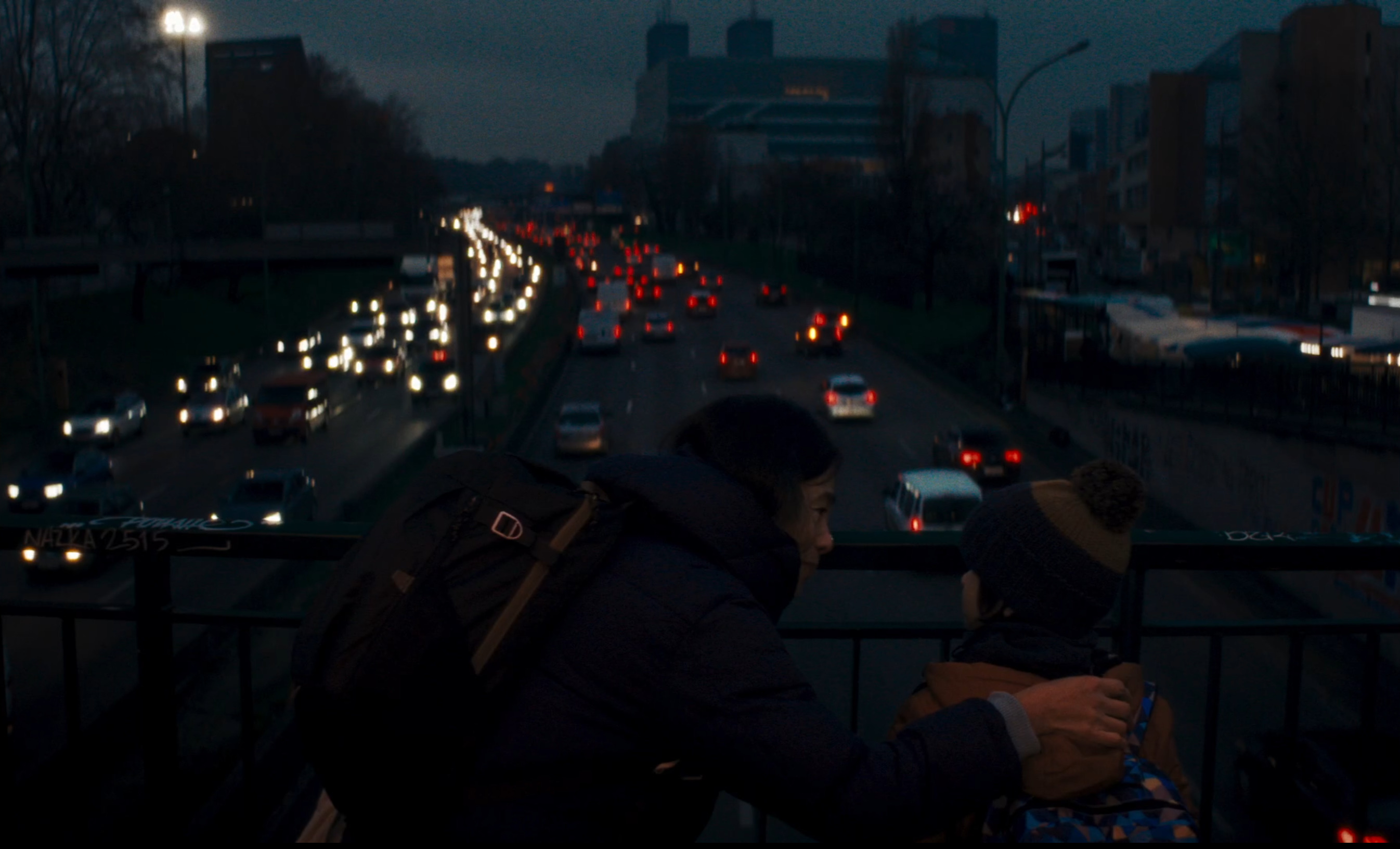
In “Quem se Move”, by Stephanie Ricci, a Brazilian immigrant in Lisbon faces the persistent sense of not belonging. The film captures the fragility of support networks and the precariousness of work — an intimate portrait of life in the “non-place”. “The Dissident”, by Nicolas Vimenet, follows a Chinese woman in France as she tries to secure a residence visa. Amid complex family dynamics, too much bureaucracy and a little poetry, the film builds a subtle political gaze, where three generations face racism in distinct ways. In “Vultosos Cumes”, by Diogo Salgado, we follow a group of Portuguese workers heading for the Alps. Along the way, a particular sadness is revealed: that of those who leave out of necessity. Between physical effort and the promise of another place, the film observes the contemporary exodus in a way at once tender and harsh. “Sabura”, by Falcão Nhaga, brings us a couple divided between Africa and Europe who reunite in Lisbon. A marriage of silences, family tensions and announced departures flows into this story where emotional distance persists, even in closeness.
Four shorts crossing diverse physical and emotional geographies, reminding us that to migrate is more than to move the body. It is to negotiate, constantly, who one is, and where one can — or cannot — live, let alone survive.
Words by Diogo Graça
Closing Session
12 July (21:20, 101')
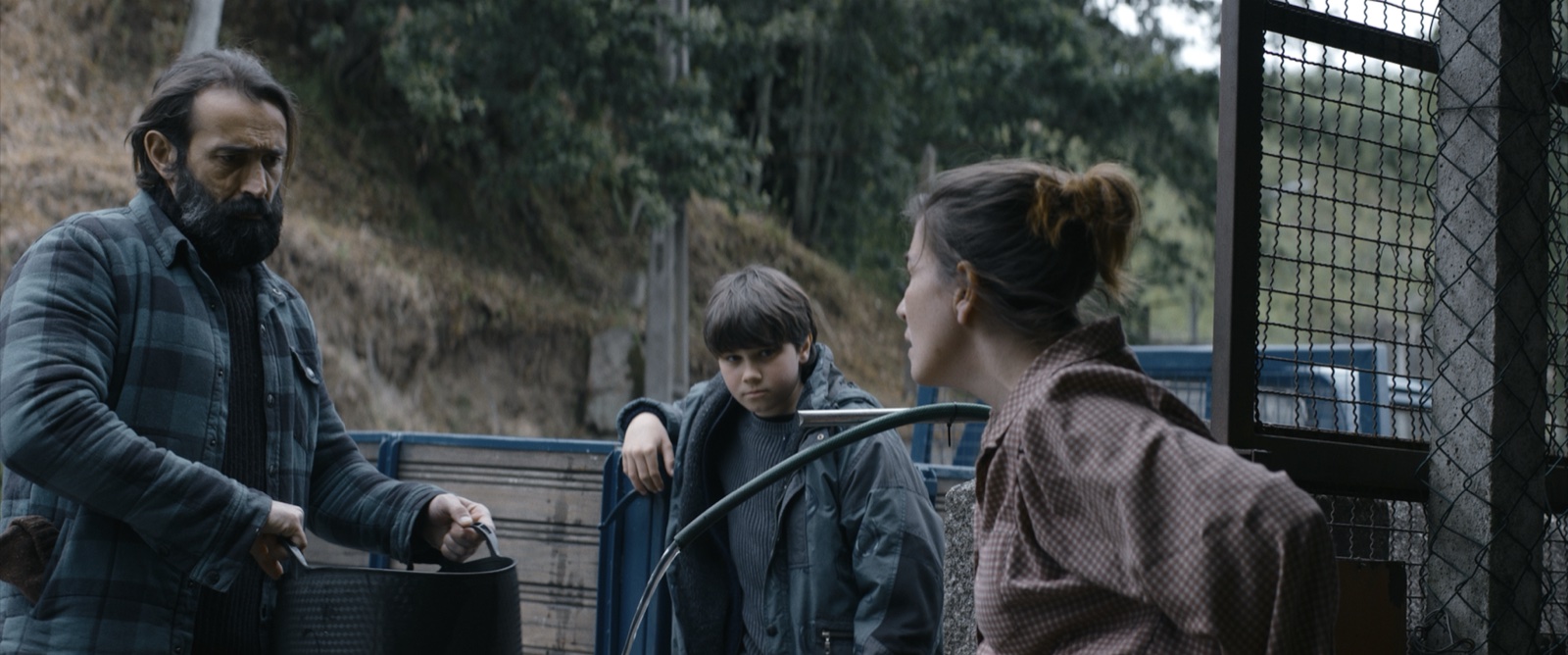
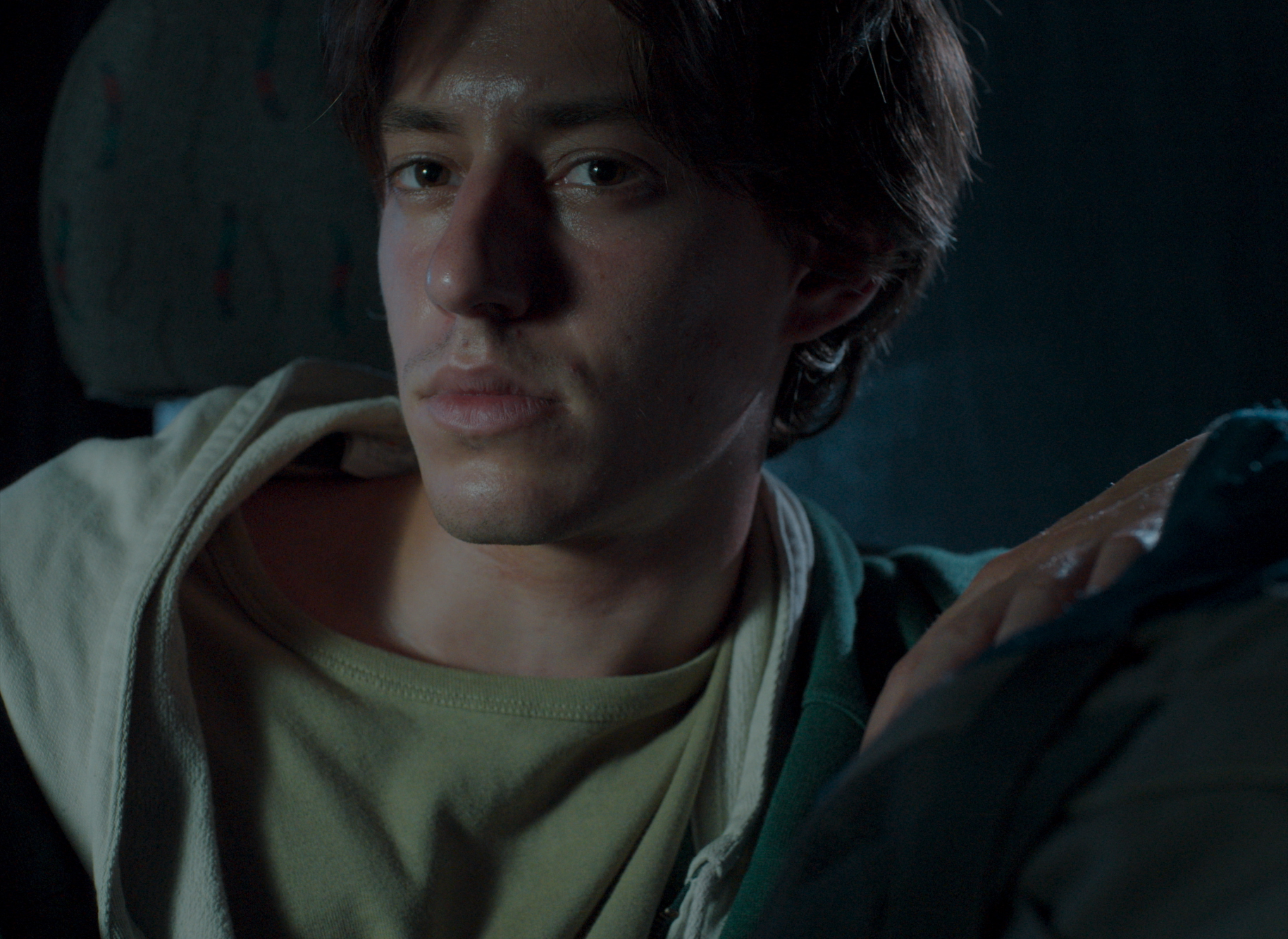
Buy TicketsAfter the shorts “Boca Cava Terra” (2022) and “Monte Clérigo” (2023), Luís Campos — whose work has focused on young protagonists — returns to Triste Para Sempre with his first feature film. On the banks of the river Douro, twelve-year-old João lives with his father, an unstable man battling alcoholism and various inner demons. With the business barely profitable because of climate change, and his father's erratic behaviour, the two may end up separated.
Beyond a delicate portrait of Portuguese identity — set against the backdrop of a northern riverside community and the aftermath of the tragic collapse of the Hintze Ribeiro Bridge — Terra Vil sets out to reflect on patriarchal society and the gestures through which it is perpetuated. In the figure of its protagonist, youth faces a dilemma: to remain condemned to the moral conventions handed down across the generations, or to question the ghosts of our collective history.
Words by Marta Batista