

Past Editions
Triste Para Sempre
Venue:
Cinema São Jorge
Dates:
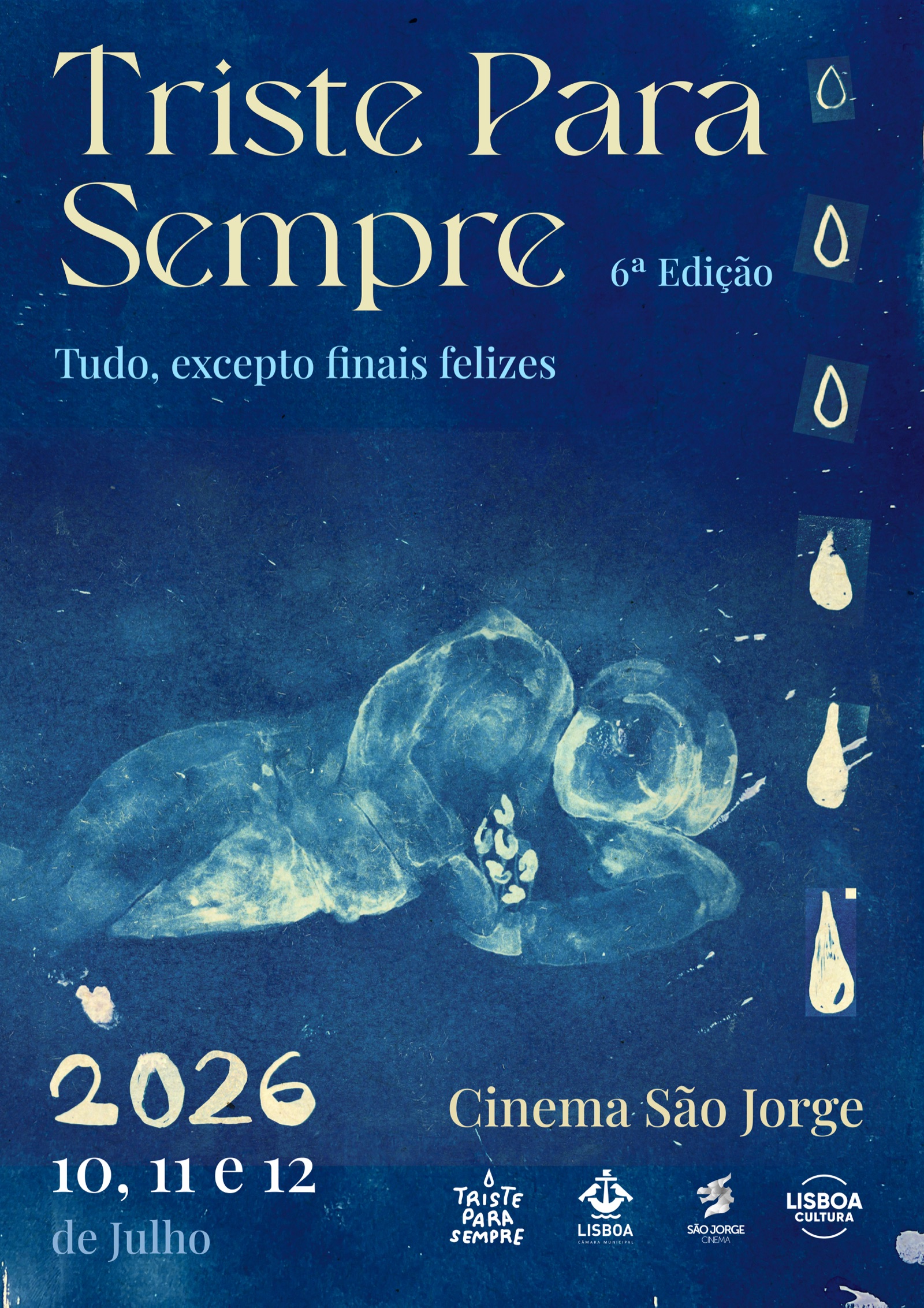
10, 11 and 12 July
The Triste Para Sempre film festival had its debut at Cinema São Jorge on 10, 11 and 12 July! It was the festival's 6th edition in Lisbon, and it delivered plenty of tears, moving films, workshops and awards.
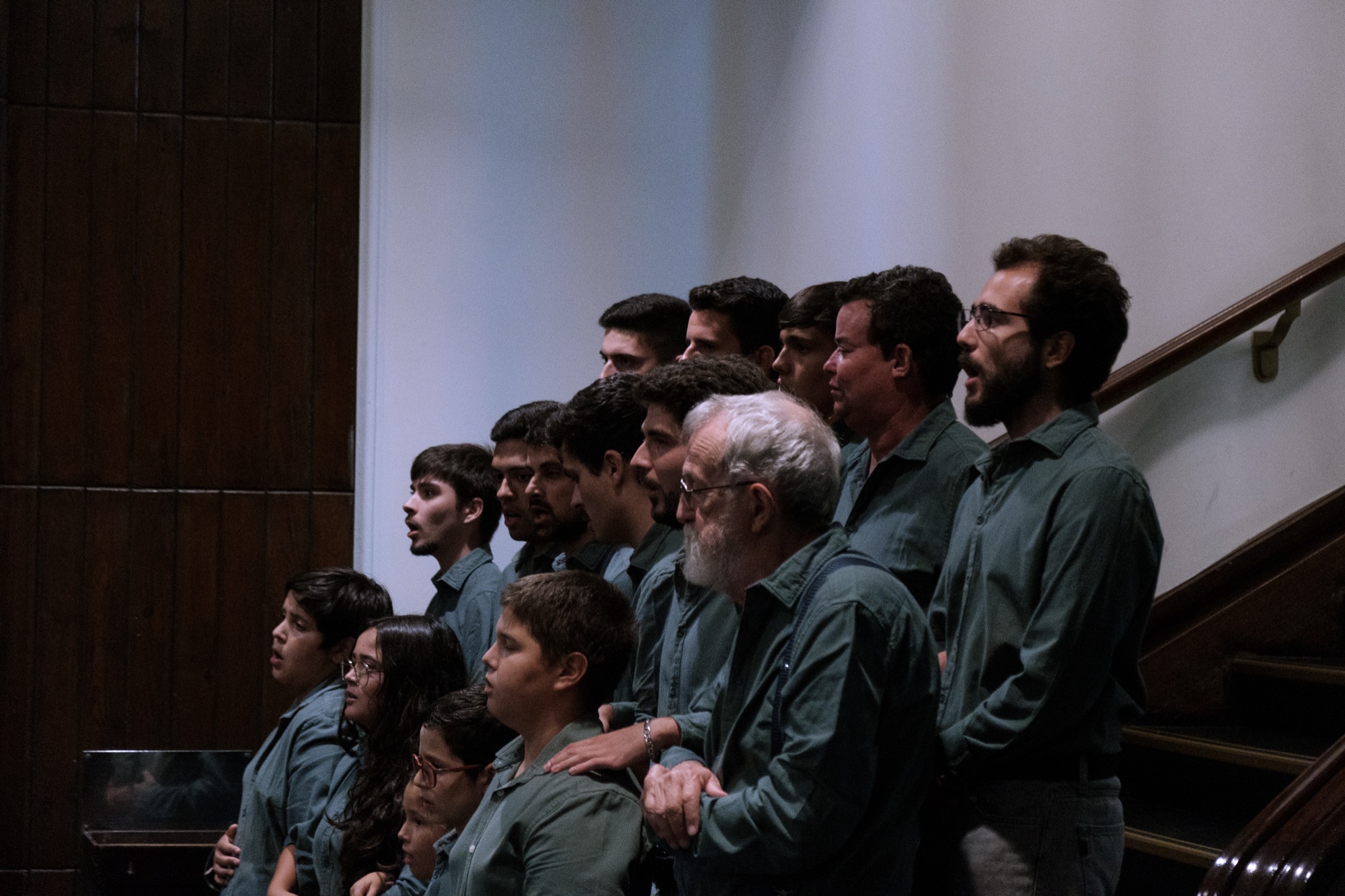
In an edition dedicated to Portuguese traditions, craftsmanship and preservation, the festival opened with a performance by the Grupo Coral Os Rama Verde, singing Alentejo's traditional "cante", and with the artisanal wines of La Speciosa, from Miranda do Douro.
Organisation:
Associação Cultural Triste Para Sempre
Direction:
António Simão
Carolina Serranito
Production:
António Simão
Carolina Serranito
Carlota Gomes-Teixeira
Luís Miguel Simões
Matilde Ramos
Mónica Oliveira
Programming:
António Simão
Carolina Serranito
Catarina Fonseca
Diogo Graça
Marta Batista
Rafael Fonseca
Promo Spot:
Diogo Tomás (production)
Tomás Mateus (direction)
Graphic Design:
Eva Sequeira
Samuel Correia
Merchandising Design:
Bernardo Simão
Human Resources:
Luís Miguel Simões
Social Media:
António Simão
Carolina Serranito
Luís Miguel Simões
Digital production & copy management:
António Simão
Website:
Matilde Ramos (development)
Samuel Correia (design)
Beatriz Bitencourt (design)
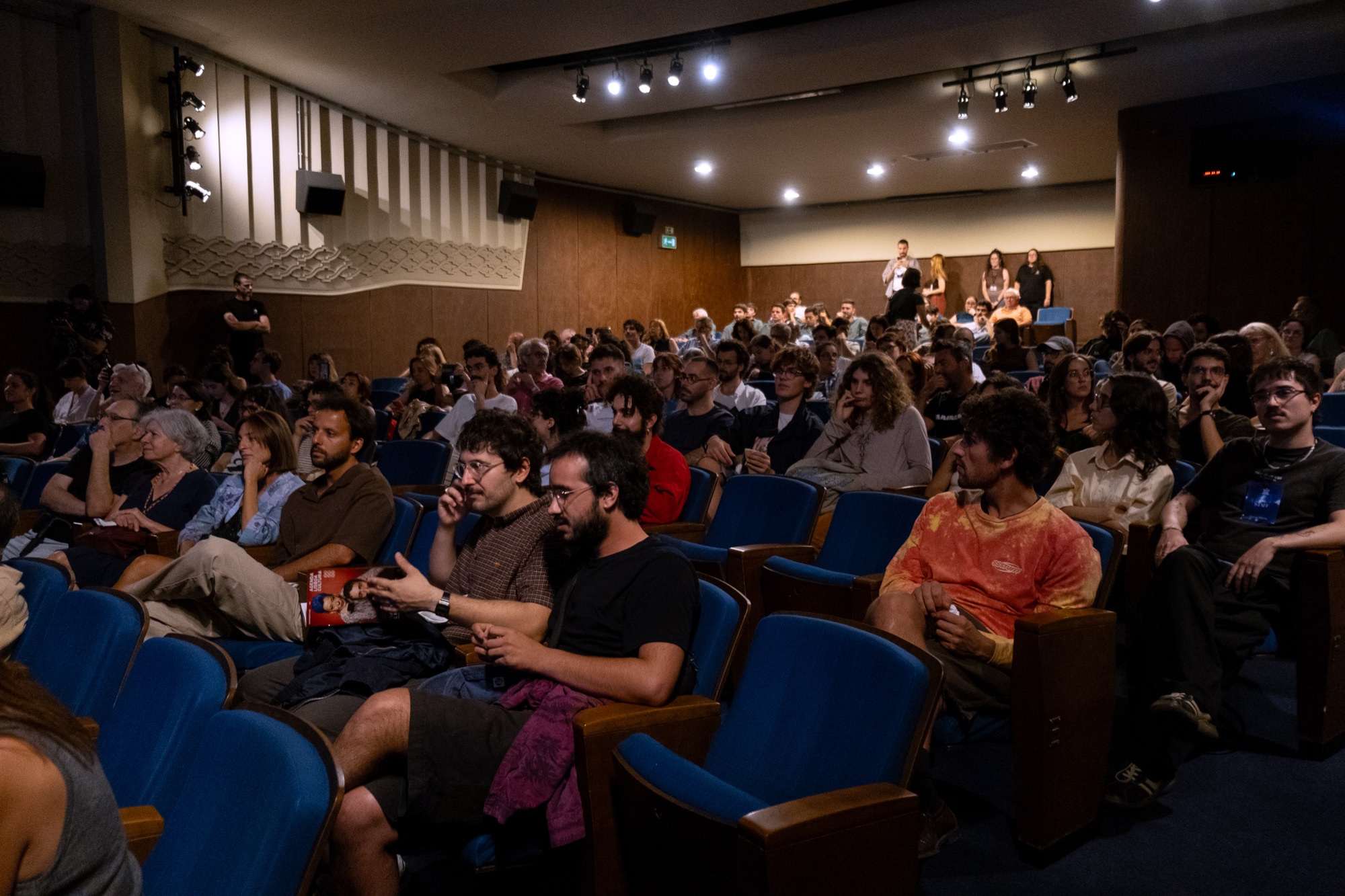
This edition screened more than 40 films, with a programme markedly more Portuguese than international. Over the three days of the festival, 39 short films and three feature films were shown. The festival welcomed 750 visitors and hosted a Madeiran embroidery workshop, led by Bailha Madeira, where participants personalised a handkerchief to dry their tears.
The competitive sections were intense and emotional. The Feature Film Competition highlighted three films with a particularly close look at rural Portugal, traditional gender roles and situations of isolation. “Deuses de Pedra”, by Iván Castiñeras Gallego, was the winning feature of the Lágrima Melhor Longa Metragem award, presented by Andreia Nunes, Gonçalo Pôla and Hélder Beja.
Among the various short film sessions, A Terra Devastada stood out as a sold-out session that gave way to three world premieres: “Consolação” by Marianne Harlé, “Carro Ultra Passado” by João Salgado and “J” by António Pinhão Botelho. Also notable was the Tristinho Para Sempre session, the festival’s first session dedicated to children and their first contact with sadness in cinema. In this section, the Lágrima Nacional went to “Porque Hoje é Sábado” by Alice Eça Guimarães, with the jury noting that “the film reminds us that freedom resides within each woman’s intimacy, even though in contemporary society it remains a conditional right. It is the painful portrait of how many women, in their moment of greatest need, find only in themselves the sole possible embrace and emotional comfort,” said Hugo Gomes, Mário Ventura and Sónia Balacó, the jury of the National Short Film Competition. In addition, the films “Praia de Pedra”, by Sofia Bost, and “Carro Ultra Passado”, by João Salgado, received honourable mentions.
Also among the shorts, the Lágrima Internacional was awarded to “The Tide” (China), by Haowen Geng. The jury of the International Short Film Competition, made up of Margarida Moz, Ricardo Branco and Rita Nunes, honoured this film “for the raw and devastating way it exposes the invisible weight carried by women in rural China.” Two honourable mentions were awarded to the films “Gallina” (Spain), by Fernando Reinaldos, and “Making It Fit” (United Kingdom), by Mariana Leal.
The Lágrima do Público went to the film “Campos Belos” by David Ferreira, a beautiful rural portrait shot in a single take that greatly pleased audiences.
It was a very special edition for Triste Para Sempre, reaching one of its major goals - Sala 3 at Cinema São Jorge! The festival managed to attract new visitors, to foster sadness as a feeling with great creative capacity, and to console those seeking out the cinema as their own little corner to cry in.
Organização

Parceiros Institucionais


Parceiros Media


Parceiros de Divulgação


Parceiros de Prémios


Apoios e Parceiros


